

























































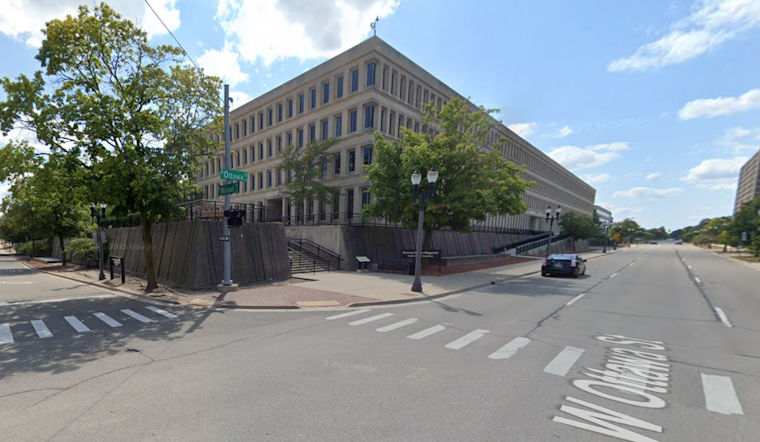
The Michigan Department of Attorney General is set to present oral arguments before the Michigan Supreme Court today in the case of People v. Carson, a case pivotal to how the state will interpret the Fourth Amendment regarding cell phone search warrants. According to an article from the Michigan Department of Attorney General, Michael Carson's multiple felony convictions, centered on the theft of $70,000 from his neighbor, were overturned by the Michigan Court of Appeals, citing concerns with the particularity of the search warrant used to seize evidence from Carson's cell phone.
At the heart of this legal challenge is retrieving text messages that built a case for Carson's conspiracy to commit theft. The warrant allowed the search of his phone for records or documents about the investigation of Larceny in a Building and Safe Breaking. However, Carson appealed his convictions primarily because the search warrant was not specific enough, an argument the Court of Appeals agreed with, finding the warrant too all-encompassing to meet Fourth Amendment standards. "This erroneous decision has no foundation in law and ignores the reality that criminals do not neatly label their crimes for law enforcement to find," said Michigan Attorney General Dana Nessel, as per the Michigan Department of Attorney General.
Michigan Attorney General Dana Nessel has urged the Michigan Supreme Court to overturn the appellate court's decision, which she argues jeopardized countless past, pending, and future cases and could set a dangerous precedent. The disagreement revolves around the decision, which states that the good faith exception could not apply because the warrant was deemed so lacking in detail that no reasonable officer could have believed it to be valid. Nessel contests that the ruling imposes an overly strict requirement upon cell phone search warrants.
In her petition to the Michigan Supreme Court, Nessel points to a misapplication of the good faith exception and an ineffective assistance of counsel claim upheld by the lower court. She argues that the Court of Appeals set a bar too high to feasibly allow investigators to properly identify specific digital evidence, specifically before the search is even performed. The Michigan Attorney General's Office hopes to see a return to what they consider a more reasonable, constitutionality-sound approach to the investigation and protection of communities, saying, "By imposing an unrealistic and unsupported standard of specificity on cell phone search warrants, the Court of Appeals has jeopardized countless past, pending, and future cases across our State."


