

























































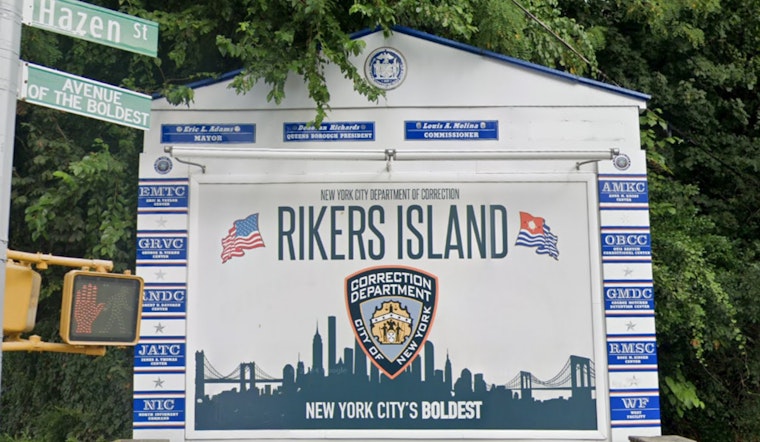
The future of Rikers Island and the specter of Immigration and Customs Enforcement (ICE) returning continue to dominate headlines in New York City. A recent City Council hearing examined the progress, or lack thereof, toward closing the notorious jail complex. Today, officials grappled with the findings of an independent commission, showing the city is not on track to replace Rikers with borough-based jails by the 2027 mandate, as reported by Gothamist.
The City Council’s criminal justice committee considered recommendations to speed up construction, reduce jail populations, and improve detainee mental health services. There were more than 7,200 people in city jails this week, with Rikers holding the majority of those awaiting trial. Councilmembers also rallied for action prior to the hearing, according to Gothamist.
Among the contentious issues is Mayor Eric Adams’ administration allowing ICE to set up shop on Rikers Island. A lawsuit filed by City Council members suggests the move was a "corrupt bargain," and Trump officials have expressed intentions to use the Rikers facility for broad deportation operations, despite assurances to the contrary. "Executive Order 50 is a blank check," says the 29-page suit, which deems the mayor’s order to be a farce that fails to protect New York’s residents, per details from an NY Post report.
This legal challenge adds further complication to the already turbulent waters surrounding Rikers' future. Council Speaker Adrienne Adams expressed deep distrust in ICE, voiced concerns about constitutional violations and rights being trampled. “We have now seen them violate Constitutional rights. We have seen them downright kidnapping people from the streets,” she told reporters, "Dare we think that this is going to be the end of it, having an ICE operation on Rikers Island? I don’t trust them. I don’t think that any New Yorker should," according to the NY Post.
Meanwhile, Deputy Mayor Randy Mastro defended the executive order authorizing ICE's return, stating there would be "consequences" for any federal agent acting out of line, though specifics weren't provided. The executive order's legitimacy has been questioned, as it was signed by Mastro, not Mayor Adams directly, casting doubts on its procedural validity. Tensions from this legal and political struggle spilled over to a City Council hearing where the mayor's immigrant affairs Commissioner, Manuel Castro, was conspicuously absent, drawing sharp criticism from council members and Public Advocate Jumaane Williams for the administration’s seeming disregard for immigrant communities.





