

























































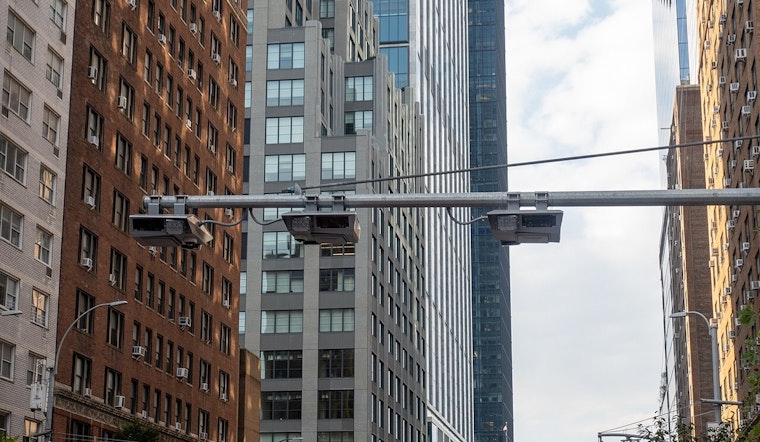
The Trump administration and the Metropolitan Transportation Authority (MTA) are reportedly reaching an agreement that could maintain tolls until fall. This update comes from court documents that showed a provisional agreement had been communicated to Judge Lewis Liman last Friday, details of which were reported by The New York Post.
The MTA's letter to the judge alludes to a timeline that would postpone any final decision on the case until at least mid-summer, a schedule that would likely prolong the legal proceedings into October. According to these documents, the Department of Transportation, contrary to initial impressions, does not plan to pursue an immediate injunction to halt the program before a ruling is made. Furthermore, the MTA's March committee meetings were a showcase of apparent success, with $51.9 million collected in February, information outlined by CBS News.
While the future of congestion pricing dangles in a precarious balance, Governor Kathy Hochul has affirmed her intention to keep the program operational amidst the ongoing litigation. The MTA reported not just buoyant revenue but a diversification of vehicles contributing to it: 66% were passenger vehicles, 24% were taxis or for-hire vehicles, and 9% were trucks, with the remaining 1% comprised of buses and motorcycles. These figures suggest an economic and urban matrix transforming under the weight of policy.
However, not all is placid in the Big Apple; US Transportation Secretary Sean Duffy, after a shared subway ride with Mayor Eric Adams, criticized the MTA for what he termed as "high spending," and challenged the efficacy of $9 tolls imposed on drivers entering Manhattan below 60th Street. This critique, as per the same New York Post article, compounds the friction between state and federal transport narratives.
A driver named Alex Flynn conceded in a CBS News interview, "It definitely does have an effect on the traffic and the amount of people that drive in." MTA Chair and CEO Janno Lieber previously championed the plan's ability to address, "I hope New Yorkers, whatever their opinion, can recognize that this is a significant moment when we are saying that we can do things to address the big challenges that we as a city and a region face."





