

























































New York City's mental health system is overwhelmed, causing individuals to be shuffled between the streets, subway, and emergency rooms without proper care. A stark illustration of this vicious cycle was highlighted in a recent op-ed, which draws attention to the daunting scenario facing those with serious mental illness. Navigating the cityscape, it becomes clear that too many are left to fend for themselves, deprived of the support and services necessary for stability, as shared by Hoodline.
Compounding these challenges, Gothamist reports that the city's criminal courts are finding an increasing number of defendants unfit to stand trial due to mental illness. With hospitals unable to keep up with the growing demand for beds, these individuals often end up languishing in the notorious Rikers Island, which is marred by violence and a stark lack of suitable care facilities. While elected officials have pledged more funding for psychiatric beds, the Gothamist article suggests that a rise in arrests and the psychological impacts of COVID-19 have contributed to the burgeoning numbers of the mentally unfit in the judicial system.
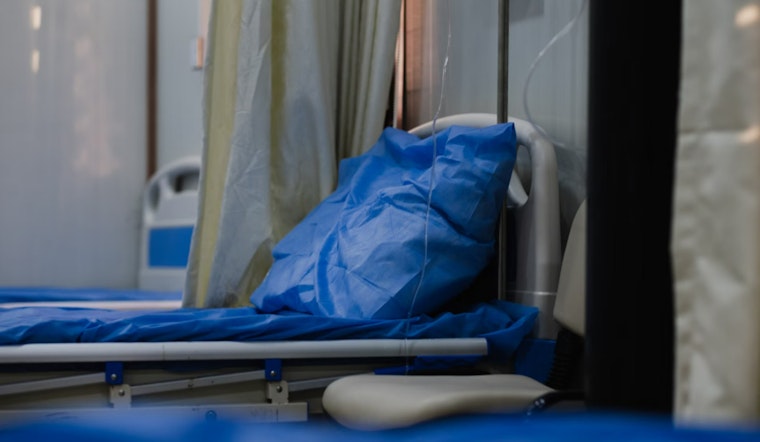
The shortage of inpatient care is critical, with 7 On Your Side Investigates highlighting the loss of over 450 inpatient psychiatric beds in the city, piling onto already long waitlists and swamped emergency rooms. There's a colossal underused resource in the largely vacant Manhattan Psychiatric Center, which, per the Hoodline article, could potentially serve to bolster much-needed services. Nonetheless, Mark Levine acknowledges the financial hurdle, stating that refreshing such a facility for modern use would require "spending hundreds of millions of dollars to renovate the facility and hire staff."
The consequences of the bed shortage are dire, as those deemed unfit to stand trial can wait on Rikers for treatment for weeks or months. Gothamist states the average wait was 79 days as of last fall. During this idle time, Douglas Stern, a specialist in mental health law, told Gothamist, "The longer somebody is disconnected from treatment, the harder it is to treat that individual." As this unfolds, the article also suggests that some experts are advocating for a paradigm shift away from hospital-centric treatment, arguing for more community-based solutions that may be more effective and less restrictive.
Programs like the "Transition to Home" initiative are aiding patients in reentering society, but the cycle of homelessness, incarceration, and mental illness persists without major investments in mental health services. Governor Kathy Hochul’s administration has highlighted progress, including an increase in inpatient beds.




