

























































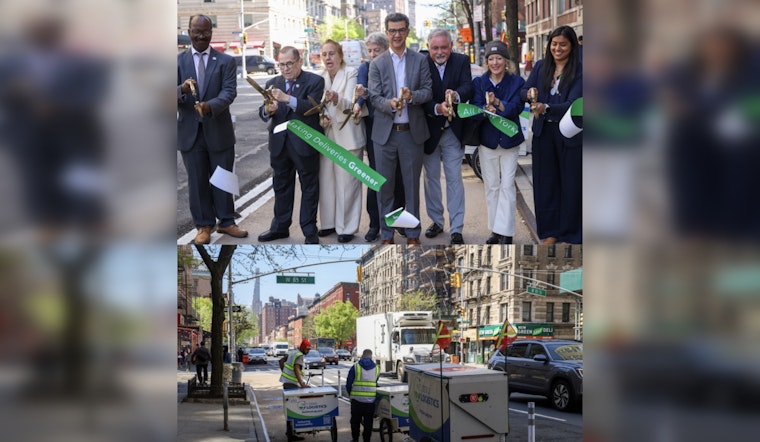
In time for Earth Day, the New York City Department of Transportation has introduced "microhubs" on the Upper West Side as part of a broader effort to support a more sustainable and organized urban delivery system. According to ABC7NY, these microhubs serve as designated locations where delivery drivers can transfer goods to smaller, low-emission vehicles such as cargo bikes and hand carts, aiming to reduce traffic congestion and pollution associated with traditional delivery methods.
Commissioner Ydanis Rodriguez stated that the growing number of deliveries in New York City has led to an increase in delivery trucks, contributing to air pollution and street congestion. The newly introduced microhubs are intended to help reduce the number of truck trips, alleviating pressure on the city’s roadways. Looking ahead, the city plans to expand the program to a total of 36 microhubs in response to projections that the volume of goods moving through the boroughs will increase by approximately 70% over the next two decades, as detailed by ABC7NY.
The first three microhubs, as ABC7NY reports, are located at Amsterdam Avenue and West 73rd Street, Amsterdam Avenue and West 85th Street, and Broadway and West 77th Street. This initiative, part of the DOT's Smart Curbs program, invites participating companies—Amazon, Net Zero Logistics, and UPS in this case—to use the designated spaces, signaling a shift toward more sustainable practices in last-mile logistics.
The broader vision is closely aligned with the city's "Curb Management Action Plan," a comprehensive strategy aimed at transforming freight delivery in NYC. As highlighted by Manhattan Congress Member Jerry Nadler in an interview with AM New York, these microhubs represent a "critical solution" to the city's delivery challenges, marking Earth Day with a step toward greater sustainability. Meanwhile, City Council Member Gale Brewer emphasized the environmental benefits and future opportunities, including the potential incorporation of "blue highways."
As the city begins its three-year pilot program, the objectives are both environmental and practical. The program aims to reduce double parking and prevent trucks from blocking residential areas, streamlining the sorting and transfer of packages. The designated spaces will be marked with new signs and safety barriers, reflecting the DOT’s efforts to improve the management of the city’s streets.



