

























































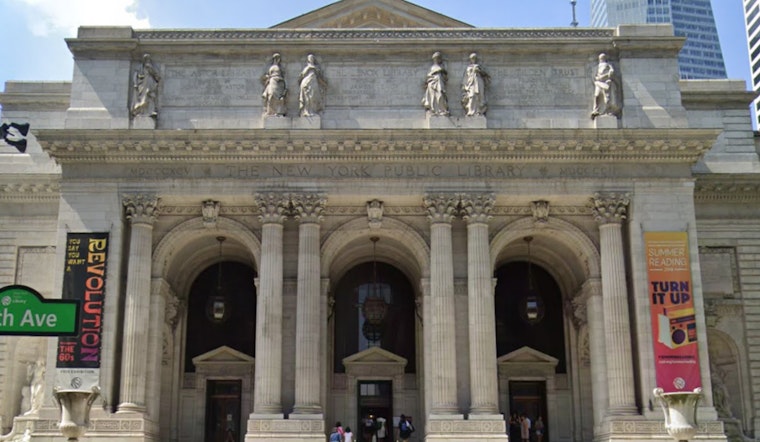
The hallowed halls of the New York Public Library's Manuscripts and Archives Division have officially become a hotspot for fans of literary giants Joan Didion and John Gregory Dunne, with their newly opened archive drawing researchers and writers in droves. The collection, which kicked off its public offering last Wednesday, March 26, includes everything from Didion's dinner party menus to Dunne's edited letters complaining about lost pillow sheets, the meticulousness of the content providing an intimate glimpse into their lives outside of the public eye, according to Gothamist.
The Brooke Russell Astor Reading Room for Rare Books and Manuscripts, typically a serene space for solitary research, is currently generating significant buzz. This is due to its collection of documents spanning six decades of both Joan Didion and John Gregory Dunne’s individual achievements, as well as their collaborative works. Among the notable items are Didion’s early rejection letters and Dunne’s sharply worded complaint to his dry cleaner, making the space so sought-after that some have dubbed it "Club Didion."
The archive not only showcases the couple's professional endeavors, such as screenplay drafts and political reporting notes, but also their intimate personal life with assorted ephemera like photos, letters to cultural icons, and the first love letter Dunne ever sent Didion, 6sqft reports. Their daughter's art and poetry add yet another layer to the collection that examines the influential couple's shared history.
Amidst the throng, researchers like doctoral candidate Clara Champagne from the University of Montreal, who told Gothamist about the overwhelming number of boxes and how they offer a unique view of Didion's conception of journalistic knowledge and truth, she was particularly struck by Didion's day books that recorded details of daily life.
For those who wish to delve into the extraordinary lives and careers of Didion and Dunne, the NYPL ensures that access is open to anyone with a library card, inviting a new generation of scholarship on these pivotal figures. Brent Reidy, Andrew W. Mellon Director of the Research Libraries at the NYPL, said, “The opening of this archive provides scholars and writers alike with an unparalleled opportunity to explore Didion and Dunne’s intellectual journeys, collaborations, and enduring impact on literature, journalism, and criticism,” as noted by 6sqft.




