

























































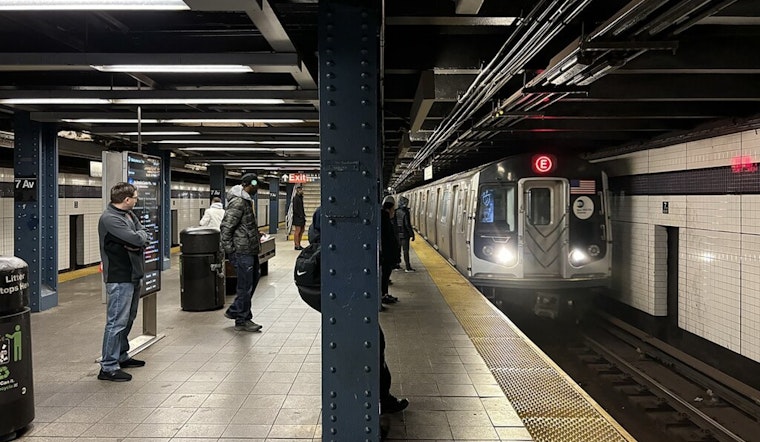
The rise in unprovoked attacks on New York City's subway since the onset of the COVID-19 pandemic has thrust public safety into the spotlight of the city's mayoral race. According to Gothamist, candidates have taken a firm stance on the connection between the city's homeless population, who often seek refuge in the subways, and the spike in transit crime. Proposals range from increasing police presence to expanding mental health outreach.
An Emerson College poll cited by Gothamist found nearly half of registered New York voters felt the subways were getting less safe. In fact, the NYPD reported a tie for the most murders in the subway system last year since the mid-1990s, and felony assaults in the subway hit a record high. A separate analysis by Vital City reported by The New York Times, underscores this trend, noting assaults have overtaken robberies in the subway for the first time in nearly two decades.
Among the various tactics proposed by those in the running for mayor, former Gov. Andrew Cuomo has suggested hiring an additional 1,500 officers for the NYPD transit bureau. Meanwhile, State Assemblymember Zohran Mamdani stands opposed to increasing police numbers, instead pushing for the creation of a "Department of Community Safety." Current Mayor Eric Adams, now running as an independent, credits his administration with a 22% drop in major subway crime in the first trimester of 2025.
While the rate of violent crime underground has remained higher than pre-pandemic levels, causing commuter anxiety, The New York Times reports crime overall in the subway has fallen 27 percent through early March compared with last year, and the police department has ramped up patrols. The Times further highlighted the severity of attacks, with instances such as Debrina Kawam, a woman set on fire while sleeping on a train, shaking the city's sense of security.
Addressing the interconnected issues of mental health, homelessness, and crime in the subway has become paramount as the city works to reconcile with the lingering fear among commuters. Kathy Wylde, president of the nonprofit Partnership for New York City, told Gothamist, "But the law does not explicitly provide for keeping people in hospital or in mandatory outpatient treatment beyond the point of crisis … The law currently says you have to let them go.”





