

























































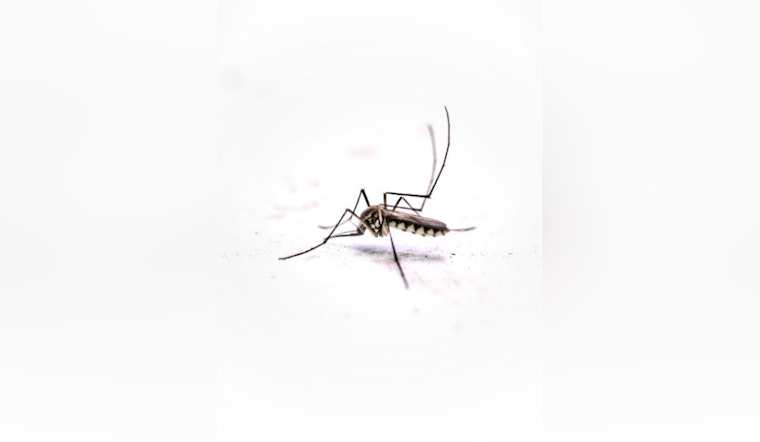
The Hawai‘i Department of Health (DOH) has flagged a new travel-related dengue virus case on Oʻahu, marking the sixth such report in 2025. According to a recent statement, the individual in question had reportedly been exposed to the virus while traveling in a region known for dengue prevalence.
After the new case discovery, DOH officials having been quickly mobilized to contain the situation, carrying out inspections and executing mosquito control initiatives in the areas affected. Public health advisories encourage residents to participate in best practices aimed at curtailing the risk of local transmission. Despite mosquitoes in Hawai‘i being capable of carrying dengue, officials stress that the disease has yet to gain a foothold as an endemic issue within the state, with current cases being isolated to those with recent travel history to affected regions.
Globally, areas experiencing a surge in dengue cases include, but are not limited to, parts of Central and South America, Asia, the Middle East, Africa, and several Pacific Islands. All incidents in Hawai‘i till now were tied to travels to these regions. The DOH's 2024 statistics cited travel to countries like Brazil, Argentina, Costa Rica, and several others prior to individuals developing symptoms, signaling a heightened importance of vigilance for travelers.
The Centers for Disease Control and Prevention (CDC) has outlined several recommendations for visitors to these regions. The safety tips, designed to curb the contraction and spread of dengue, include the usage of EPA-registered insect repellents, wearing clothing that minimizes skin exposure, and opting for accommodations that afford protection against mosquitos. Particularly in areas where increased dengue cases have been recorded, the CDC stressed the significance of consulting travel advisories well in advance of trips.
Upon returning from countries with known dengue risks, travelers are urged to maintain precautionary measures against mosquito bites for at least three weeks. Syria for those experiencing symptoms suggestive of dengine, like fever and body aches, seeking immediate medical attention is critical. Lastly, for the fight against dengue to be effective, the DOH underscores the importance of everyone partaking in reducing mosquito breeding grounds by eliminating sources of standing water in and around homes.





