

























































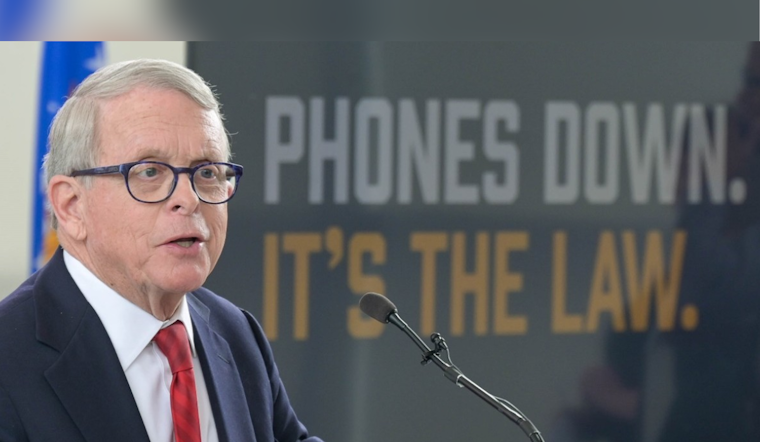
It's been two years since Ohio cracked down on distracted driving, and the numbers are starting to look promising. Ohio's approach, which began with a tough stance against the use of handheld electronic devices behind the wheel, seems to be paying off. The so-called "phones down" law, Senate Bill 288, signed by Governor Mike DeWine in 2023, turned the tide by classifying this dangerous habit as a primary offense.
Under the vigilant eyes of the Ohio State Highway Patrol, crash rates have notably fallen. People have been quick to credit the law for making roads safer by various measures – a dip in crashes by 8%, injuries reduced by 3%, and most crucially, a 4% drop in traffic fatalities, according to state data shared by the Ohio Department of Transportation. These are more than mere statistics, they're a testament to lives not disrupted by injury or cut tragically short.
Moreover, the vigilance goes beyond government enforcement. Cambridge Mobile Telematics (CMT) reports an around 10% decline in cell phone use while driving among motorists who have chosen to share their data. That's through initiatives like employer-based safety programs and insurance discount incentives—a neat strategy to encourage safer driving habits. According to CMT estimates, this behavioral shift has saved Ohio a cool $337 million in what would have been economic damages from accidents borne by distracted driving.
"We’re certainly seeing less distracted driving than before the law went into effect, but we still have a long way to go," Governor DeWine said, acknowledging the progress in a statement. This call to continued action serves as a sober reminder—despite the gains, the journey to road safety is an ongoing battle.
April recognized as National Distracted Driving Awareness Month, offers a reflective pause. It serves to look upon the efforts taken, the strides made, and yet, the road that still winds ahead, urging more Ohioans to keep their eyes on that road and off their phones—for the heart of every statictic is a heartbeat that continues, thanks to choices made behind the wheel.





