

























































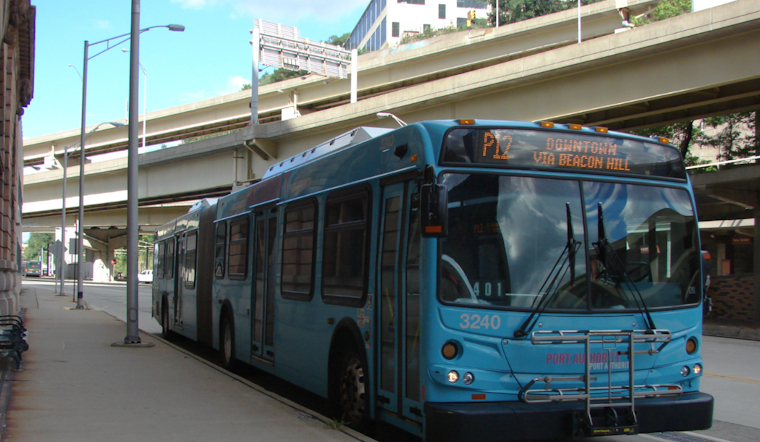
Pittsburgh Regional Transit (PRT) held its first public hearing on Tuesday to discuss a pressing issue: severe service cuts and fare increases aimed at addressing a looming $100 million budget shortfall in 2026. The hearing, held at the David L. Lawrence Convention Center, provided an opportunity for transit riders to express their concerns about the proposed cuts, which would affect a third of the service, according to TribLIVE. The alterations suggested by PRT include the elimination of the light rail's Silver Line, the slashing of 40 bus routes, and an increase in the base fare by 25 cents to $3.00.
Further complicating the discussion is the agency's desire for additional state funding, which has become a central point in their plea to Harrisburg legislators. The proposed changes would reduce service frequency on the Red Line and 53 bus routes, while also cutting off service entirely to 19 municipalities and three Pittsburgh neighborhoods, as noted by CBS News Pittsburgh. PRT asserts that voicing their concerns at the hearings will demonstrate the critical need for $117 million to sustain operations.
Amid these challenging financial circumstances, PRT is not just using the hearings as a formality but as a platform to unite riders, encouraging them to share personal accounts of how the cuts would adversely impact their lives. Katherine Kelleman, CEO of PRT, emphasized the potential consequences for individuals, such as a home health aide and a military veteran, who rely on public transit. Their stories were part of her remarks at a recent board meeting, as reported by UnionProgress. "For a lot of these people, there is no plan B," she stated, reflecting on the critical nature of these services for many in the community.
Kelleman also participated in a riders' rally organized by Pittsburghers for Public Transit outside the convention center, signaling a collective resistance to the proposed cuts. PRT's financial struggle is echoed by other agencies in Pennsylvania, with the Southeastern Pennsylvania Transportation Authority (SEPTA) grappling with a $213 million deficit. Despite Governor Josh Shapiro proposing an increase in transit subsidies, Senate Republicans have reportedly expressed concern over diverting more state funds to urban transit systems, which they feel do not adequately serve the rural areas represented by many of their members, according to UnionProgress.
The outcome of these debates will directly impact the lives of countless individuals who depend on public transportation for their daily needs. PRT has additional hearings scheduled for May 6 at Soldiers & Sailors Memorial Hall & Museum, and again on June 12 at the David L. Lawrence Convention Center, as further opportunities for public engagement on the issue.





