

























































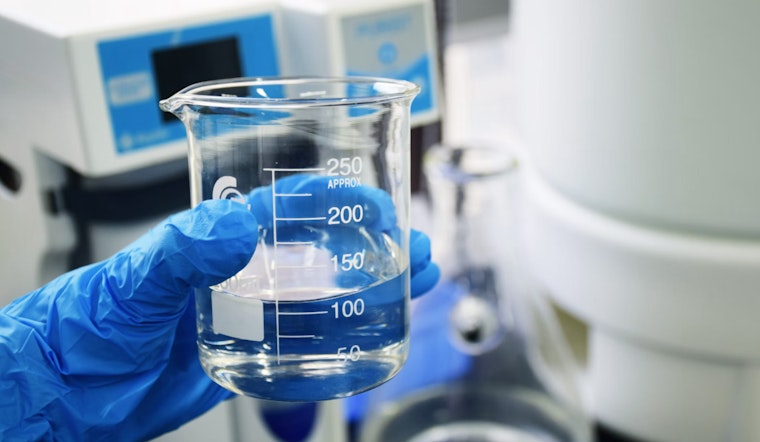
Residents of Raleigh and surrounding communities have a reason to be optimistic about their tap water's future. The city has unveiled a new water testing laboratory, a significant upgrade to the infrastructure that hadn't seen a new facility since 1967. According to CBS17, the Drinking Water Compliance Laboratory is set to rigorously test water quality before it reaches customers, ensuring the safety and palatability of the water supply.
The laboratory represents a considerable investment in public health, marked by the opening of the $16 million project. With 650,000 people currently relying on the city for water, the facility is designed to keep pace with an expanding population. WRAL News reports that the lab, spanning 15,000 square feet, can test for 71 different substances and analyze more than 52,000 water samples each year. "When I started in this business, one of the lower concentrations you would ever see in the water quality test is parts per million," Assistant Director of Raleigh Water Ed Buchan told WRAL. "It is now parts per trillion. So, we are now getting new equipment, new methods that we can run tests down to these extremely low levels."
Beyond the health and safety benefits, the new laboratory also addresses the quality and taste of Raleigh's water. This comes as a particular relief after last year's incident where residents experienced odd-tasting water due to an algae bloom. The improved detection capabilities will allow for quicker responses to such occurrences, ensuring that any potential taste or odor issues can be remediated promptly.
The project stems from a decade of planning and development following a lab study that highlighted the aging infrastructure at two of the city's water facilities. As detailed by ABC11, renovations were made at the Neuse River Resource Recovery facility, while the E.M. Johnson facility was deemed in need of replacement. Raleigh water officials are confident that the new building will produce the data and reports demonstrating compliance with all safe drinking water standards for over 640,000 people.





