

























































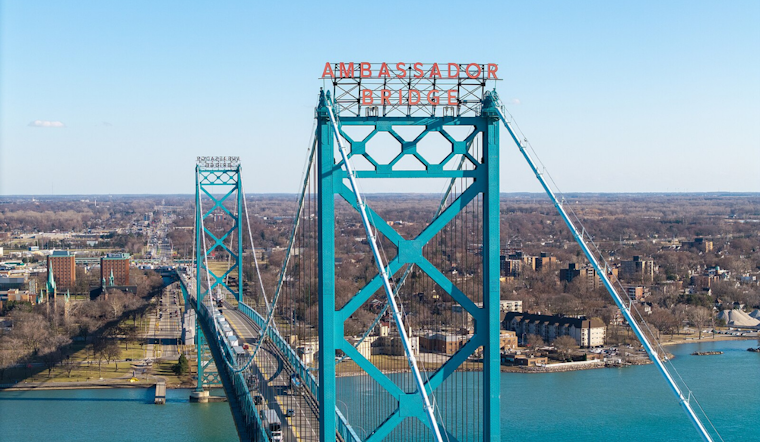
A 32-year-old Venezuelan man, Ricardo Prada Vásquez, found his fateful wrong turn onto the Ambassador Bridge while delivering a food order in Detroit, leading to his deportation. The incident took place when Prada, who mistakenly entered Canada and tried to reenter the U.S. through the Detroit-Windsor Tunnel, was detained by U.S. authorities on Jan. 15 and subsequently deported to El Salvador on March 15, despite claims that he was detained without due process, as reported by CBS News.
Immigrant advocacy groups have raised concerns with lawmakers about the handling of such cases: "A wrong turn at the border really shouldn't mean that our neighbors are disappearing," Christine Sauve, from the Michigan Immigrant Rights Center, stated, as detailed by CBS News. The Department of Homeland Security challenges that narrative, stating on social media that Prada was a member of the gang Tren de Aragua.
The case has caught the attention of Congresswoman Rashida Tlaib, who, along with the ACLU and the Michigan Immigrant Rights Center, is set to hold a press conference on the broader issue of immigrant detentions and deportations at the U.S.-Canada border, as mentioned by the Detroit Free Press. The Department of Homeland Security later confirmed his deportation to El Salvador after initial uncertainty about his whereabouts.
According to The Detroit News, Prada's family was unaware of his location until the DHS post on social media, which contradicted earlier claims that he could not be found on a list of deportees to El Salvador. Prada's brother, Hugo, refutes the allegation of his sibling's involvement with Tren de Aragua, stating, "My brother isn't in any gang." His statement reinforces the fear of families and advocates that Prada's deportation is representative of a broader issue within an immigration system that appears fraught with hasty decisions and lacks transparency.





