

























































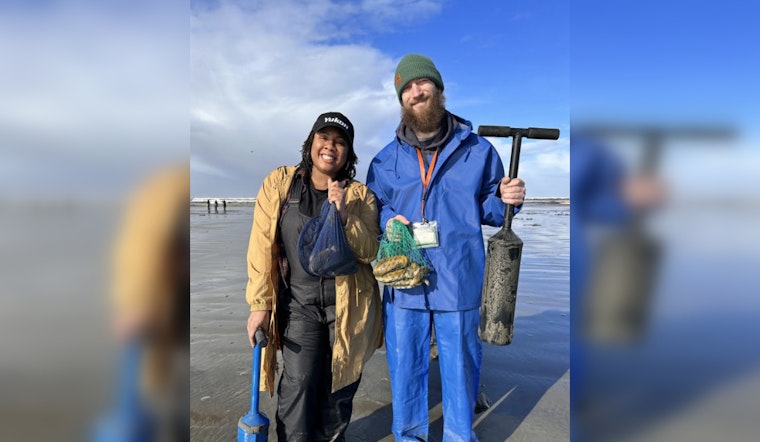
For those who fancy a bit of shellfish shoveling, the Washington Department of Fish and Wildlife (WDFW) has greenlighted eight days for coastal razor clam digs starting April 26. With the spring season unfurling, diggers get their spades ready to indulge in this cherished coastal tradition amidst the picturesque settings of Washington's beaches. Anglers should mark their calendars for morning tides as the confirmed digs are scheduled for specific dates and locations, ensuring not only the optimal catch but also the safety of consumption following health screenings.
A release from the WDFW notes that sunny days and low surf have marked the recent tide series, conducive for clamming but with a side note of caution for beach-driving enthusiasts. Bryce Blumenthal, WDFW’s recreational razor clam manager, advised, "Be careful when driving on and off the beach approaches and stay below the high tide line where the sand is harder packed." This heads-up comes amidst reports of soft sand accumulation that increases the risk of vehicles getting stuck. With a schedule that revolves around low tides, times range from early morning until noon. However, not every coastal beach will be open each day, so diggers, should do their due diligence before setting out.
According to a release by the WDFW, the latest marine toxin tests from the Washington State Department of Health (DOH) have shown that razor clams are safe to eat, clearing the way for the upcoming digs. The quest for the prized clams should align with the low tides, ideally one to two hours beforehand, when the creatures are more accessible. Diggers are also reminded of the daily limit being 15 clams per person, with the requirement that each person's haul needs to be stored separately. More so, clammers must also abide by the rule of keeping the first 15 clams dug, irrespective of size or condition, a mandate set to prevent wasteful practices.
Before you tread the sands in search of clams, be sure to secure the necessary paperwork. A valid 2025-2026 license is required for anyone 15 or older wishing to indulge in this activity. Licenses are available for purchase through the WDFW’s licensing website or at numerous vendors across the state. Be mindful of the environment and the resident wildlife as well, particularly the nesting snowy plovers. These small birds with gray wings and a white breast deserve their peace especially in delicate habitats along certain stretches of the coast. Diggers and beachgoers are urged to refrain from intruding into marked nesting areas, to keep pets leashed, to stay clear of the dunes, and, to avoid littering to protect these vulnerable birds and their invisible nests.
For further details on the digs, including the specific tide times and locations, you can visit the WDFW’s official release. The site is also home to resources about domoic acid, other marine toxins, and the Razor Clam Management Plan. As the sands of Washington's beaches beckon to those with clamming guns and buckets in tow, remember the guidelines and procedures that make this pastime sustainable and enjoyable for all.





