

























































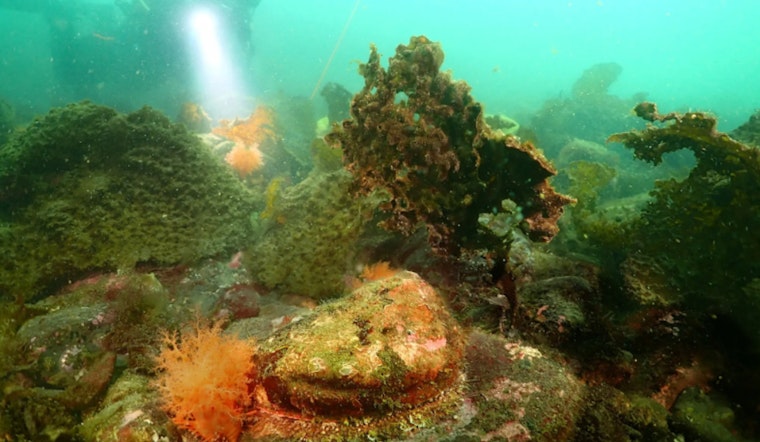
The Washington Department of Fish and Wildlife (WDFW) is currently seeking public opinion on whether to maintain the endangered status of the pinto abalone, a species native to the Salish Sea. Public comments are invited through June 1, as part of the draft periodic status review process. Despite some positive signs of recovery, the pinto abalone's numbers don't paint a picture where downlisting to threatened is feasible just yet. "While pinto abalone recovery efforts are progressing well, the species’ population trend over the past 10 years is not increasing and key criteria for downlisting to threatened have not been met," Katie Sowul, Washington Department of Fish and Wildlife's lead abalone biologist, stated in a release from the Washington Department of Fish and Wildlife.
Anyone looking to make their opinions known can access the status review document on the WDFW website and submit their responses via email or traditional mail. Following the closure of the comment period, Washington Department of Fish and Wildlife staff are scheduled to update the Washington Fish and Wildlife Commission on this report and the collective recommendations, with a potentially decisive meeting slated for June 2025.
It’s not all bleak for these marine snails. According to the Washington Department of Fish and Wildlife release, last year saw the release of over 12,000 captive-raised juvenile abalone into the wild. What's more, the sighting of wild juveniles, which had not been seen for over a decade, implies that the species may be taking a turn for the better in terms of natural reproduction.
The pinto abalone (Haliotis kamtschatkana) have been on Washington's endangered species list since 2019. Since their listing, the recovery efforts have seen a bolster in support thanks to increased funding and expanded partnerships. The growing list of contributors to the cause now includes Seattle Aquarium, multiple Native American tribes, and various marine science institutes, which squints toward an all-hands-on-deck approach to conservation and recovery, as reported by the Washington Department of Fish and Wildlife.
For those interested in learning more or contributing their voice to the conversation surrounding the fate of the pinto abalone, all relevant details and avenues for input can be found at Washington Department of Fish and Wildlife at-risk species webpage. Accommodations for alternative format or language requests are available through several contact methods listed on the Washington Department of Fish and Wildlife website.





