

























































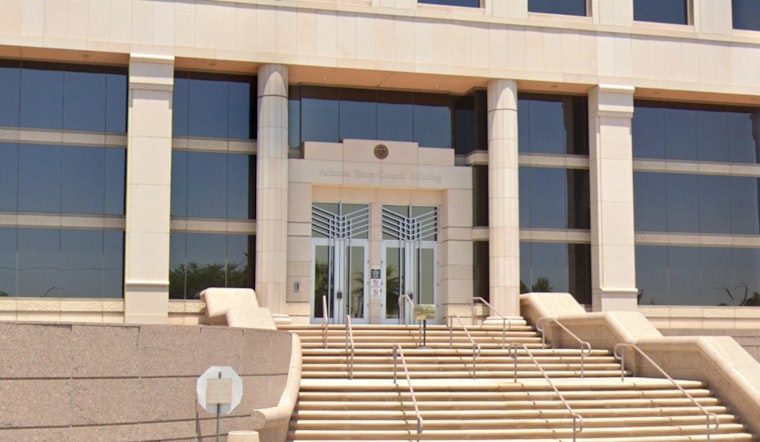
In a notable clarification of the law, the Arizona Supreme Court has ruled that being the only person present at the scene of a fire does not constitute enough evidence to charge an arsonist with arson of an "occupied structure." This particular legal nuance surfaced in the case of State v. Edwardo Serrato, III, where Edwardo Serrato faced steep convictions for a slew of crimes, including second-degree murder and arson. The court's decision, which revolved around a fire in a pickup truck, takes a detailed look at the language of Arizona's arson statutes.
An "occupied structure," as defined under Arizona law, is one "in which one or more human being either is or is likely to be present or so near as to be in equivalent danger at the time the fire or explosion occurs," as reported by the Arizona Court. The court determined that the arsonist’s presence alone doesn’t meet the required standard. In Serrato’s case, the charges for arson of the vehicle considered an occupied structure now require reevaluation based on this ruling. The decision means that Serrato's 35-year conviction for the vehicle arson charge will likely be reduced, although the other convictions remain intact. This interpretation ensures that the tiered arson statutory scheme, which scales punishment based on the threat to human life, remains consistent and just.
Vice Chief Justice John R. Lopez IV, writing for a unanimous court, addressed the concern that if the mere presence of the arsonist was sufficient to upgrade the crime, it would blur the lines between different levels of arson crimes. "The Court reasoned that an interpretation of the statute that turns arson of a structure—a lesser crime—into arson of an occupied structure based solely on the arsonist’s presence was inconsistent with the way the law was written," according to the official court document.
This ruling has come after years of legal proceedings, with the roots of the case stretching back to 2007 when the arson occurred. Following a seven-day trial in 2023, a jury convicted Serrato, culminating in the hefty sentence that is now subject to change.



