

























































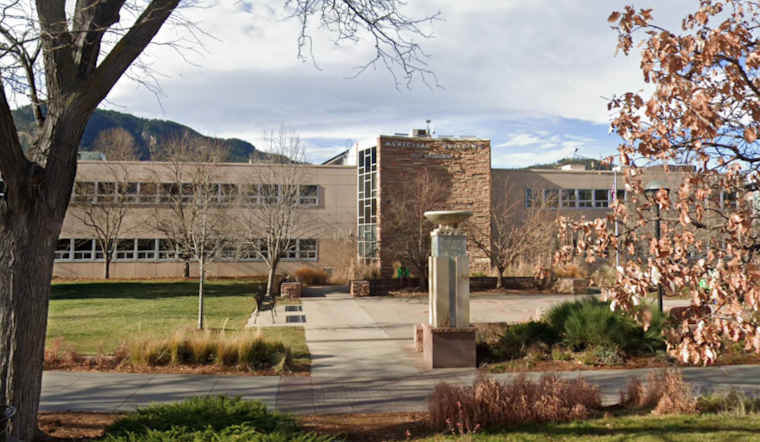
Boulder County has just launched a substantial new funding endeavor aimed to support housing stability for those living with disabilities. According to Boulder County Human Services, there's now a Request for Applications (RFA) open to help individuals with intellectual and developmental disabilities, autism, and brain injury secure long-term housing. This initiative is pushing to fill the significant void left by inadequate federal and state funding for such housing services.
About $500,000 is up for grabs, sourced from the Intellectual and Developmental Disabilities Mill Levy first given the green light by area voters back in 2002. These funds are intended to directly go towards bridging gaps and creating more equitable housing opportunities for all. This RFA is looking to not only just provide a roof but also to promote housing stability and prevent homelessness among the disabled population in Boulder County.
The groundwork for this funding opportunity is built on the Boulder County Needs Assessment of 2018, which pinpointed stable, affordable housing as a fundamental necessity for this demographic. It stressed the importance of housing that is accessible and backed by personalized support systems for independent living. This detailed assessment reportedly served as a guiding light, supplemented by input from traditionally underserved groups, noted in the assessment and conducted through community outreach.
Interested parties should mark their calendars: the deadline to submit inquiries about this RFA is May 8 at 5 p.m., and Boulder County promises to post responses by May 15. Those requiring support in another language or needing accommodation are encouraged to reach out to Boulder County via email as swiftly as possible. Complete applications need to be submitted by June 2, by the end of the business day, as detailed on the county's official IDD Mill Levy Program website.
Boulder County Human Services is no small operation, with over 350 staff members, and they serve an incredible number of more than 110,000 residents every year. The services provided span across a wide array of needs, including food assistance, health coverage, housing support, and family services, to name just a few.





