

























































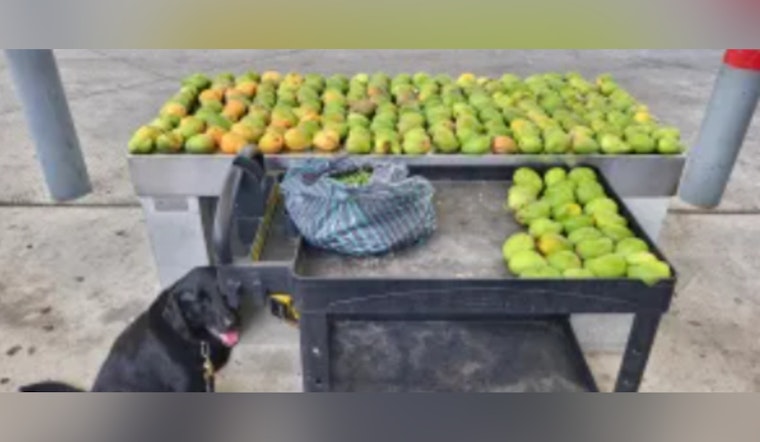
U.S. Customs and Border Protection (CBP) officers and agriculture specialists at the Juarez-Lincoln Bridge made quite the discovery earlier this month, uncovering an illicit cargo of tropical fruits hidden in a Ford F-150 pickup. On a routine inspection turned fruitful bust, officials found 218 mangos and seven kilograms of nances, fruits native to Central and South America that could potentially bring harmful pests or diseases stateside. The incident, which unfolded on the evening last Friday, May 2, led to the issuance of a $1,000 civil penalty for the driver of the vehicle.
Agriculture specialists play an unsung role in safeguarding U.S. soil from biological threats, and according to CBP's report. As Port Director Albert Flores stated, "Seizures like these reinforce CBP’s dedication to protecting American agriculture and the American public from prohibited agricultural items that could harbor plant pests and animal diseases." The scent of nances and the vivid green of mangos in the luggage were telltale signs of prohibited cargo, with an Agriculture Quarantine Inspection canine leading officers to the stash. This proactive measure serves as a reminder that bringing in undeclared commercial quantities of produce carries serious implications.
Further details from the CBP newsroom release highlight the role of the specialized canine units in CBP's agriculture protection mission. These trained dogs are adept at sniffing out potential risks that might slip past human detection. Fines for attempting to enter the U.S. with prohibited agricultural items can range from $300 to $1,000, a costly reminder for travelers to declare all goods upon entry.
The vigilant work of CBP employees is crucial as they strive to exclude harmful pests and diseases from becoming established in the U.S. Such meticulous inspections at entry points like the Juarez-Lincoln Bridge represent the front lines of defense for country's agriculture. Sifting through everyday traffic in search of these hidden threats, frontline officers and their four-legged partners uphold the integrity of our ecological and economic landscapes, ensuring that something as seemingly benign as a mango or nance does not herald a larger threat to American flora and fauna.





