

























































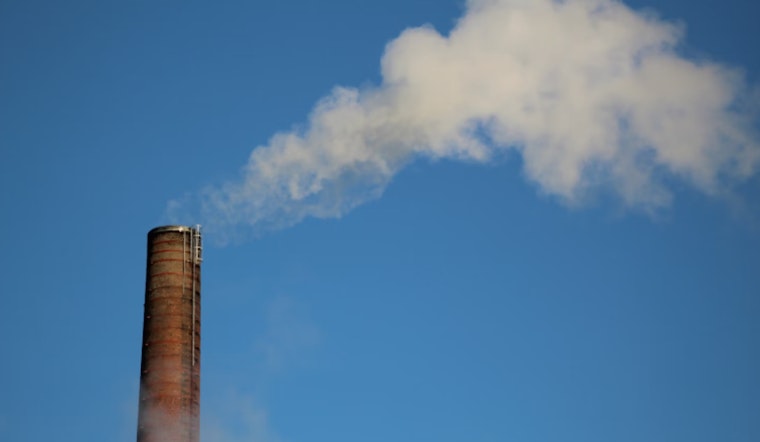
On the cusp of its planned retirement, the J.H. Campbell coal power plant in West Olive, Michigan, received a directive from the Department of Energy to remain operational, a move that has generated mixed responses and echoed across the Midwest. Energy Secretary Chris Wright, citing potential electric shortages forecasted by the North American Electric Reliability Corporation, invoked emergency powers to keep the 1,560 MW plant open through the summer, WZZM13 reported.
This decision counters the earlier strides made by Consumers Energy and the Midcontinent Independent System Operator to transition away from coal power, including acquiring a 1,200 MW natural gas plant to offset the grid capacity being lost due to the coal plant's closure, yet despite these measures, the DOE insists on the plant's continued operation until August 21, as an emergency measure for electricity reliability, this according to an mlive article.
Michigan local and state authorities including Dan Scripps, Chair of the Michigan Public Service Commission, have criticized the federal directive, with Scripps stating, "The unnecessary recent order from the U.S. Department of Energy will increase the cost of power for homes and businesses in Michigan and across the Midwest," as reported by WZZM13. Yet, supporters of the DOE's decision, like Rep. Dave Prestin (R-Cedar River), argue the plant's operation is vital for the region's energy stability, ensuring tens of thousands of people continue to have access to reliable power, his views were detailed in a statement obtained by WZZM13.
Environmental groups sharply opposed the administration's use of emergency powers to extend the coal plant's life, with Greg Wannier, senior attorney with the Sierra Club Environmental Law Program, criticizing the decision as "an illegal abuse of his presidential authority," according to Canary Media, which pointed out that multiple parties agreed that the plants' retirement wouldn't impact grid reliability. Criticism also came from Tyson Slocum, director of the energy program at nonprofit watchdog group Public Citizen, who called the DOE's actions a "manufactured emergency" serving the administration's pro-coal agenda, as detailed in an interview Canary Media conducted.





