

























































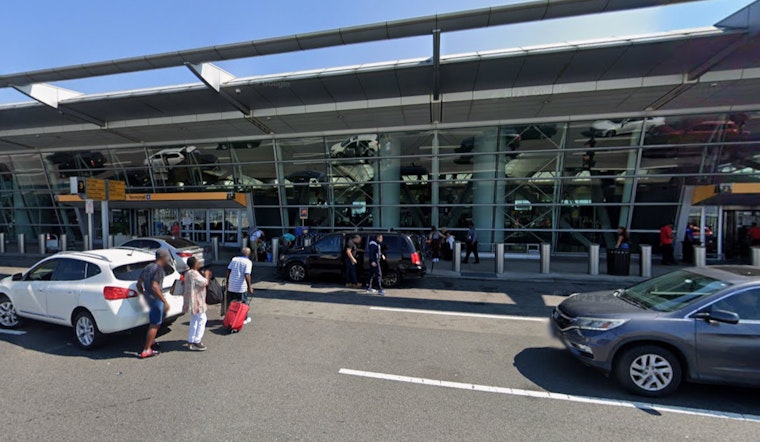
Non-citizen travelers returning to New York through local airports are encountering unprecedented levels of scrutiny from federal immigration officials, with reports of extended questioning, device searches, and detention increasing dramatically under the current administration's immigration enforcement policies.
Immigration attorneys across the city report a significant uptick in clients experiencing what they describe as intimidation tactics and prolonged secondary screening procedures. Robert Tsigler, an immigration attorney based in New York City, said dozens of his firm's clients have reported being pulled aside for extra questioning by agents after arriving at local airports, according to Gothamist. Some of his clients have been placed into U.S. Immigration and Customs Enforcement detention facilities.
Patterns of Enhanced Enforcement
Benjamin Simpson, another immigration attorney in New York, said he has received dozens of inquiries from clients and potential clients about immigration officials interrogating visa and green-card holders, searching their devices and pressuring them to withdraw their applications to enter the United States, as reported by Gothamist. The additional scrutiny has typically come with little explanation from federal agents about what triggered the enhanced screening.
The data supports these anecdotal reports. U.S. Customs and Border Protection officers at John F. Kennedy International Airport removed 194 inadmissible aliens during March 2025, in addition to 135 inadmissible aliens removed in February, according to U.S. Customs and Border Protection. While these numbers represent a small fraction of the approximately 1.1 million travelers who passed through JFK monthly, they indicate increased enforcement activity at the gateway airport.
Who's Being Targeted
The enhanced scrutiny appears to disproportionately affect certain groups. Non-citizens with criminal histories are among those facing the most additional scrutiny at airport immigration checkpoints, according to Gothamist. However, the scope has expanded beyond those with criminal records to include visa holders, legal permanent residents, and even some U.S. citizens.
Recent high-profile cases have drawn national attention, with foreign nationals being detained for political stances and work visa issues, as documented by Axios. These cases have included university students, researchers, and professionals who have expressed pro-Palestinian views or criticized certain government policies.
Digital Surveillance Concerns
Simpson said he has received several inquiries about immigration officials searching and detaining clients based on photos, videos and other information on their cellphones, according to Gothamist. One 21-year-old client was detained for having what his family claims were news videos on his phone about the war in Gaza, with officials alleging the content aligned him with terrorist organizations.
The administration has formalized these practices through new policies. U.S. Citizenship and Immigration Services announced it will begin considering aliens' antisemitic activity on social media and the physical harassment of Jewish individuals as grounds for denying immigration benefit requests, according to USCIS.
Legal Expert Perspectives
Elora Mukherjee, director of Columbia Law School's Immigrants' Rights Clinic, said non-citizens with criminal records should for now forgo international travel, as reported by Gothamist. She also encourages participants in protests related to Middle East issues to avoid international travel, including those who have posted their views on social media.
Legal professionals are providing practical guidance to their clients. Immigration attorney Claudia Bernal Perez, who practices in New York City, said one of her clients, a green-card holder from Mexico, was held for questioning and requested to sign a document to relinquish his green card, according to Gothamist. Under her recommendation, the client did not sign the document and was allowed to enter after about two hours of detention.
Rights and Recommendations
Sarah Lachman, a New York City-based immigration attorney, said non-citizen travelers with criminal histories should bring a document noting the final disposition of their criminal case, as reported by Gothamist. The documentation may help curtail questioning from immigration officials and reduce long delays.
Attorneys are also recommending technological precautions. The attorneys said non-citizen travels should consider carrying an alternative, low-tech phone — a burner phone — instead of their usual cellphone, according to Gothamist. This strategy aims to limit exposure of personal information, political views, and client communications during device searches.
National Trends and Context
In its first 100 days, the Trump administration has issued a flurry of actions that represent the most sweeping immigration policy changes in decades, reshaping enforcement, border security, legal immigration, humanitarian protection, and foreign policy, according to Migration Policy Institute. ICE arrest rates have approximately doubled since fiscal year 2024, increasing from 310 to about 650 per day as of mid-March.
Potential U.S. visitors are increasingly uncertain about traveling to America, after a number of high-profile detentions in the Trump administration's crackdown on immigration, as documented by NBC News. Several countries in Europe have updated their travel guidance for the United States, warning citizens about potential arrest, detention and deportation for minor violations.
Similar Cases Nationwide
The increased scrutiny is not limited to New York airports. A lawful permanent resident who has lived in the U.S. for 50 years was detained because of a decades-old conviction amid tougher immigration enforcement at airports and border crossings, as reported by NPR. Immigration lawyers say there are likely more of these cases that haven't been reported publicly.
In recent weeks, international tourists, visa holders and lawful permanent residents — also known as green-card holders — have been facing tougher scrutiny at airports and border crossings, according to NPR. Brown University urged its international staff and students to postpone plans to travel outside the U.S. "out of an abundance of caution."
Legal Implications
The enhanced enforcement has raised significant constitutional concerns among legal experts. The Fourth Amendment prohibits unreasonable searches and seizures, including arrests and detentions without individualized suspicion, and the Fifth and Fourteenth Amendments guarantee the equal protection of the laws, including freedom from racial discrimination by law enforcement, according to the American Civil Liberties Union.
Rights advocates have raised concerns about the Trump administration conflating criticism of Israel's actions in Gaza and support for Palestinian rights with antisemitism and support for extremism, as reported by Reuters. Free speech advocacy groups have condemned the administration's social media screening policies as "formalizing censorship practices."
Travelers' Rights Vary by Status
U.S. citizens have guaranteed access to the country, while green-card holders have procedural rights, meaning only an immigration judge can revoke their green card status, according to NPR. However, travelers with temporary visas have the "fewest rights," with CBP officers having the final say on whether these travelers can enter the country.
Green-card holders who refuse to answer border officials' questions may be held for secondary screening but their green-card status should not be revoked or terminated at the airport, according to Gothamist. The risks are greater for visa holders who refuse to answer questions, as CBP may revoke their visa and refuse entry.
Looking Forward
Lachman recommends that non-citizen immigrants consider applying for Global Entry, a program that expedites immigration processing times, as reported by Gothamist. Applicants pay $120 and undergo a background check, with membership lasting five years. Global Entry participants generally have less interaction with immigration agents than other travelers.
As the administration continues to implement its immigration enforcement agenda, immigration attorneys across New York are advising clients to carefully consider the risks of international travel and to seek legal counsel before departing the United States. The situation remains fluid, with new policies and enforcement measures being implemented regularly.
Bottom Line: Non-citizen travelers through New York airports are facing unprecedented levels of scrutiny under enhanced immigration enforcement policies, with legal experts recommending careful preparation and, in some cases, avoiding international travel altogether until the situation stabilizes.





