

























































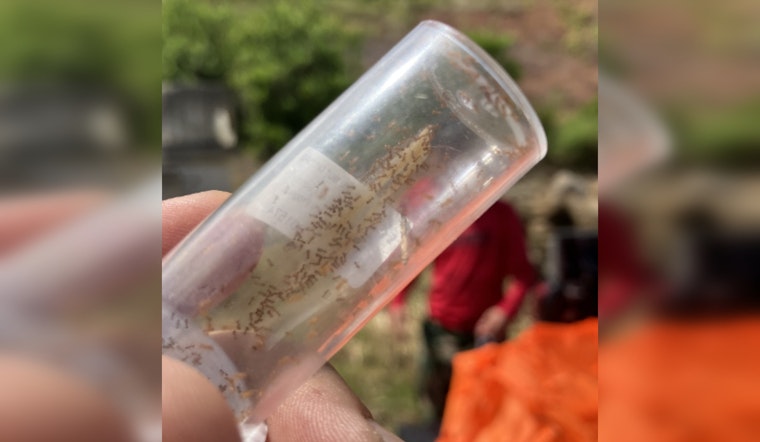
In a move to stamp out the persistent issue of Little Fire Ants (LFA), the popular Ka‘iwa Ridge Trail, also known as the Lanikai Pillbox Trail, will observe its first temporary closure. According to a recent statement from the Department of Land and Natural Resources Division of Forestry and Wildlife, the closure will facilitate an LFA treatment session slated for tomorrow, May 7, from 6-10 a.m. It's been a joint effort; agencies like the O‘ahu Invasive Species Committee and the Hawai‘i Department of Agriculture have joined forces to tackle the threat.
Ready on the eastern slope of the ridge, LFA were detected - despite their absence directly on the trail - according to findings shared by Hawai‘i Ant Lab. Jumping on the drone bandwagon, partners have brought in Aloha ‘Āina Drones. Their aerial tech promises a method that's not just safer and more economical but quicker at treating the tricky terrain of the ridge. In a nod to drone efficacy, OISC Outreach Coordinator Erin Bishop told the Department of Land and Natural Resources, "Drone technology is advancing our efforts to move this site from an active infestation to eradication." Ensuring the public stays clear, the DOFAW Nā Ala Hele Trail and Access Program will station stewards at the trailheads to redirect hikers until post-treatment reopening.
Hikers looking forward to exploring the trail will have to mark their calendars; this is just the first in a series of closures over the next nine months designed to manage the LFA challenge. Additional dates, including June 18, July 30, September 10, October 22, December 3, and stretching into 2026 with January 14 and February 25, have been scheduled with backup dates in case of any hiccups. As of April, O‘ahu has tallied over 80 instances of LFA detection, prompting extensive community collaboration to control the critters' spread, as detailed by the Department of Land and Natural Resources.
Efforts to keep the LFA in check have paid off elsewhere on the island, from Mililani-Mauka to Mānoa, with groups like Hui o Ko‘olaupoko and the KEY Project spearheading community-based control initiatives. "We're thrilled to move forward with this innovative approach with the support of DOFAW — without it, the threat of LFA spreading into surrounding residential and recreational areas would remain," passionately said Erin Bishop, reflecting the communal drive to protect local ecosystems and prevent a fuller-blown infestation around O‘ahu’s hotspots, as per the Department of Land and Natural Resources.





