

























































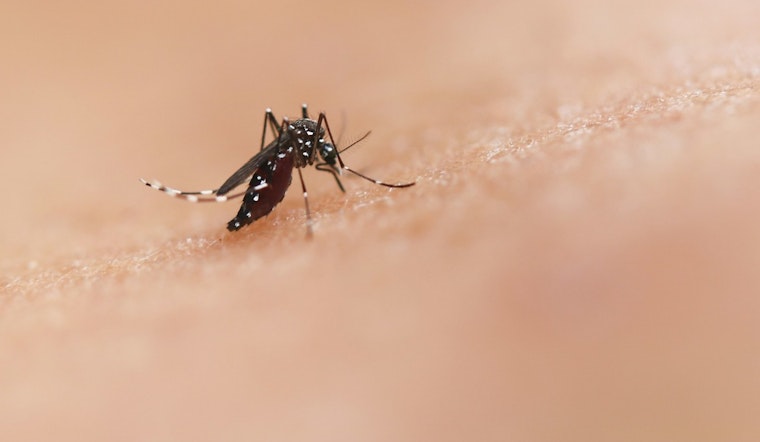
As Long Beach gears up for summer and its corresponding mosquito season, the Department of Health and Human Services is proactively doling out advice to keep the pesky biters at bay and the public safe from the various diseases they might transmit. Mosquitoes, more than a source of itch and irritation, are known carriers of viruses like West Nile, Zika, dengue, and St. Louis encephalitis, which are not just far-flung diseases but concerns right here in Long Beach, according to a recent statement by the City of Long Beach.
The Long Beach Health Department's City Health Officer, Dr. Anissa Davis, underscored the shared responsibility that residents hold in mosquito control, highlighting a variety of precautionary measures to minimize risks and exposure. For instance, residents should look for and dry out any containers capable of holding water, which can serve as a breeding ground for mosquitoes sometimes in pools as tiny as a quarter of an inch of water, which is smaller than a bottle cap, and they're also encouraged to empty and scrub items like bird baths or pet water bowls weekly, says the Health Department.
Moreover, the department suggests emptying water from potted plant saucers, keeping play areas like kiddie pools and water slides sans standing water and cleansed weekly, and maintaining cleanliness and chlorination for swimming pools. For the green-thumbed, the advice is to limit watering of lawns and outdoor plants to avoid creating a mosquito nirvana and installing screens on doors and windows, while, when outdoors, using an EPA-registered insect repellent such as DEET, which is deemed safe for most including children over two months, pregnant persons, and breastfeeding mothers, according to the directions.
In their ongoing battle against the mosquito menace, Long Beach authorities also welcome a helping hand from the public; residents are urged to report any shady increase in mosquito activity or neglected, algae-colonized pools by dialing 562.570.4132 or by leaving an online note at the city's mosquito reporting web page, and for instances of deceased birds, discussions should occur with the California Department of Public Health at 1.877.WNV.BIRD or on their website, with additional information and prevention tips available on the Long Beach Health Department’s various informational outlets.





