

























































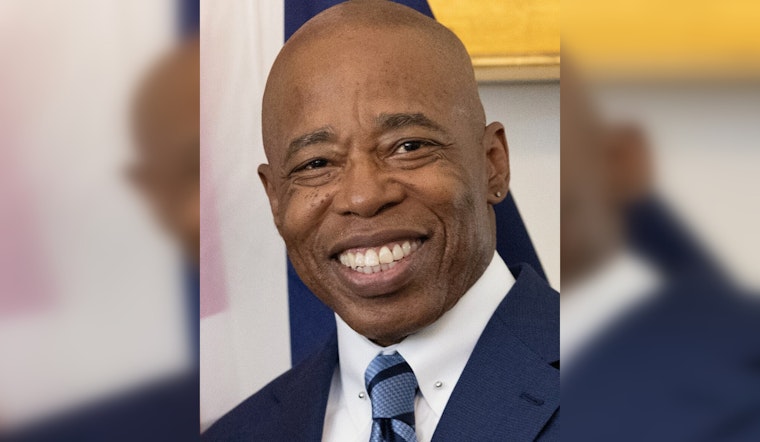
In response to the rise in summertime violence, Mayor Eric Adams and his administration have committed $13 million to community safety initiatives. The funding will support a range of programs focused on youth engagement and restorative justice efforts, and is being promoted as part of the Fiscal Year 2026 "Best Budget Ever," the Mayor's office announced.
As summer approaches—a time when crime rates typically rise—the city is expanding efforts by offering nearly 400 hours of programming, with a focus on neighborhoods most affected by gun violence. This initiative builds on last summer’s approach to keep young New Yorkers actively engaged and away from street activity. Among the programs is "Flip the Script," which has been allocated $500,000 to mentor young adults from Brownsville in the film industry, according to the Mayor's office.
A key part of the plan involves Beacon and Cornerstone community centers, which will extend their hours throughout the summer. These centers will remain open until 11 p.m. on weekdays and offer additional weekend hours to increase access to positive activities. The initiative is part of the Adams administration’s broader effort to promote safer, more connected neighborhoods through strategic funding and community-focused programs.
The programs in place go beyond providing safe spaces and activities. Project Reset, for one, is on the receiving end of $4 million to give those issued with non-violent misdemeanor desk-appearance tickets an alternative to court involvement. Describing the program's philosophy, Mayor's Office of Criminal Justice Director Deanna Logan mentioned how investing in people is playing a big role in creating safer and more prosperous neighborhoods.
In a continued effort to address systemic issues, the city is also sinking $6.5 million into a restorative justice partnership with the City University of New York. Meant for individuals of all ages who have been affected by conflict, the program seeks to foster empathy through shared understanding, accountability, and eventually transformation.
These measures reflect New York City's current strategy of addressing crime through community-based programs. The approach may offer a framework for other major cities dealing with comparable challenges in urban safety and youth engagement.





_(cropped).jpg)