

























































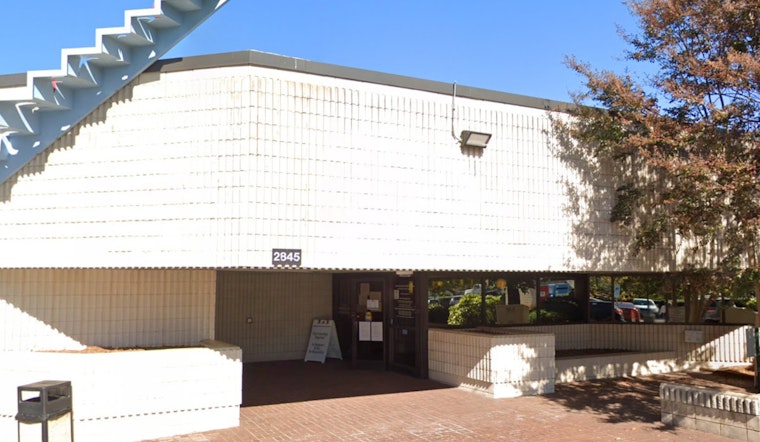
In a recent announcement, the Mecklenburg County revealed its dedication to supporting community health through the WIC program—an initiative offering nourishment and educational assistance to women, infants, and children who find themselves standing on the economic margins. As reported by Mecklenburg County News, the WIC program stands as a beacon to those eligible, offering supplemental foods, nutritional education, breastfeeding support, and pathways to more intensive health care and community assistance. It’s a foothold, available at three county locations for those who seek a steadying grip in the unsettling furrows of food insecurity.
To weave a safety net of sustenance and care, one must meet certain eligibility criteria—be they a pregnant woman, an infant, or a child not yet touched by their sixth year. Residency within the bounds of North Carolina is essential, tethering aid to the steady ground of local need. And while household income must huddle below all but 185% of the federal poverty line, all those who count Medicaid, Food Stamps, or Work First among their bulwarks already qualify for this assistance. They are welcomed at the Northwest Health Department, the Valerie C. Woodard Community Resource Center, and the Ella B. Scarborough Community Resource Center—lights along a road too often dimmed by deprivation.
Yet, this is more than a mere doling out of resources; through the WIC program, participants receive nutritional risk assessments conducted by health professionals, a measure ensuring that the most vulnerable among us, defined by the unseen and often silent metrics of nutrition, are fortified against the perils of deficiency. This is a testament to Mecklenburg County's commitment to not simply feed, but to holistically nurture those within its borders.
In essence, WIC emerges as a program deeply sown with the intention to uplift and sustain—its benefits a reflection of the deep-seated recognition that communal health must be tended to with diligence and compassion. As the aid flows from the program to the hands of those who hold the future—a child clutching a mother's hand, full of potential yet unseen. The program seeks to arm them against the scourge of malnutrition—laying a foundation from which they may rise toward brighter horizons.





