

























































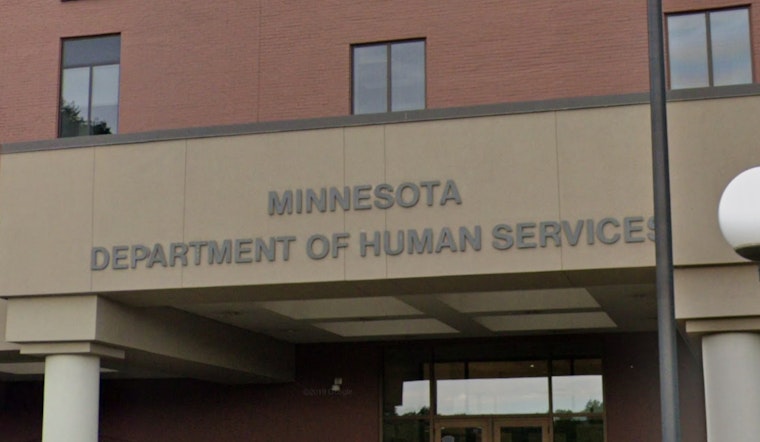
In a move to increase the accountability of services catering to some of society's most vulnerable, the state of Minnesota is stepping up its game. Starting June 1, the oversight of providers offering autism and certain housing services will grow significantly tighter. The Minnesota Department of Human Services (DHS) is set to begin categorizing these services as "high risk," a move clearly intended to ensure that providers are staying on the straight and narrow when billing Medicaid.
This change is going to require providers to undergo enhanced fingerprint background checks if they're the owners, and to put up with screening visits both prior to Medicaid enrollment and upon revalidation of their enrollment. The DHS will also have the right to make unannounced visits to these provider sites, a policy designed to keep everyone on their toes. In a statement reported by the DHS news release, the interim Human Services Commissioner Shireen Gandhi noted that, "It’s clear that these critical services need more oversight."
The impetus behind this shift seems to be a firm belief in the necessity of preserving integrity within programs serving children, people with disabilities, and older Minnesotans. As reported by the DHS news release, Gandhi says, "Moving these providers into the high-risk category is only the first step. We need more staff to put eyes on these programs and make sure everyone is safeguarding resources meant to help." Governor Tim Walz's budget proposals seem to support this initiative with plans for more staff to administer the beefed-up screening, as well as the implementation of new technology to detect fraud.
The state's decision comes after internal discussions within the DHS, resulting in giving providers a 30-day notice of the impending changes. New providers, as of June 1, will be required to comply with these high-risk category requirements. Current providers won't be off the hook either; they will be phased into compliance when they come around to renewing their Medicaid enrollment. It's a move that speaks to a broader strategy outlined in Walz's budget, which includes measures to strengthen investigation authority and regulatory oversight.
Notably, this doesn't mean all providers are under scrutiny for problematic behavior. In fact, many work diligently to offer indispensable services throughout the state. The DHS encourages those in need of assistance to reach out, offering technical support where needed. Moreover, the Minnesota DHS remains vigilant against fraud, urging anyone with suspicions of Medicaid fund abuse to report it through their program integrity oversight hotline or via their website. In hanging this Sword of Damocles over providers' heads, it seems the state of Minnesota is quite serious about protecting the vulnerable and their resources.





