

























































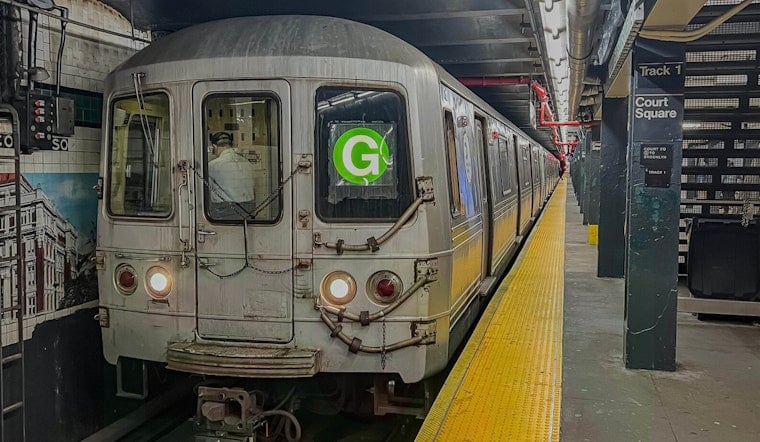
As the MTA strives to meet the digital needs of New York’s daily commuters, new announcements reveal plans to extend cell service coverage further throughout the subway system beneath the busy city. Specifically, sections of the G train tunnels will soon allow passengers to maintain cell connectivity while commuting between Court Square and Hoyt-Schermerhorn, as reported by Gothamist. This initiative is part of a broader project to bring 5G service to underground rail lines, intended to come online later this year.
The MTA officials have also confirmed plans to seamlessly extend coverage to the underwater 4 and 5 train tunnels connecting Lower Manhattan and Brooklyn. In a statement obtained by AM New York, MTA Chair and CEO Janno Lieber remarked on the cost-efficiency of the expansion, stating, "This is being done because a private company — the same company that outfitted the stations to have cell service — now is moving forward with us to put cell connectivity in the tunnels in between the stations." The connectivity upgrade, implemented without any direct cost to the public, highlights the changing role of public-private partnerships in urban infrastructure development.
Not only is this enhancement anticipated to improve communication capabilities for underground travelers, but the integration of modern technology systems also highlights the MTA's commitment to advancing city transit services. According to Gothamist, the MTA's senior vice president of capital strategy, Jessica Mathew, noted the importance of coordinating cell service installation with existing capital projects, thereby optimizing track closure periods for multiple benefits.
The expected timeline for the completion of the comprehensive connectivity project remains optimistic yet fluid, with MTA officials hesitant to commit to a firm deadline. However, it is projected that the initiative will progressively to advance into further subway tunnels over the next couple of years, expanding the ease with which New Yorkers can stay connected. As mentioned by AM New York, every MTA tunnel work session will potentially grant opportunities for Boldyn, the company contracted for these installations, "to come in and put in their cables to put in the infrastructure to create connectivity," according to Lieber.
The growing availability of cell service in subway tunnels marks a significant shift from the past, when underground stations were digital dead zones. With all 281 underground stops now equipped with connectivity and additional tunnel segments coming online, commutes have become times of uninterrupted digital access. As this progress continues, the sense of isolation once common in New York’s subway tunnels is gradually being replaced by a constant connection, reflecting a city that maintains its signal even beneath the surface.



