

























































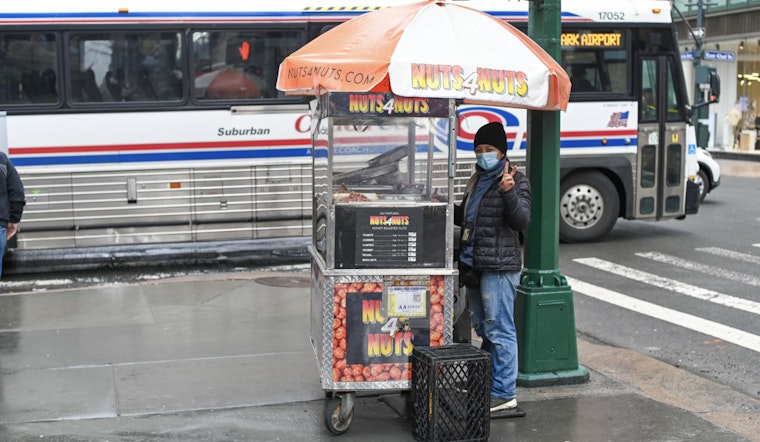
In New York City, a legislative initiative poised to alter the landscape for thousands of street vendors is currently under consideration. The New York City Council is set to review a bill that would increase the number of available food vendor permits and general vendor licenses. According to Gothamist, this policy aims to eventually eliminate the cap on permits and licenses altogether by July 2029, potentially liberating many vendors from unregulated trade.
Mohamed Attia, the managing director of the Street Vendor Project at the Urban Justice Center, expressed concern to Gothamist about the current state of affairs. "If you want to open a restaurant today, you don't need to wait 20 years or 30 years to get off a waiting list to open up a restaurant," he said, highlighting the disparities between street vendors and other business owners. Carina Kaufman-Gutierrez, deputy director of the Street Vendor Project, also noted the operational restrictions vendors face in compliance with permit and license mandates.
The challenges street vendors face are even more severe for those lacking permanent legal immigration status, particularly in light of heightened enforcement and deportation efforts during the Trump administration. Councilwoman Pierina Sanchez, a sponsor of proposed legislation aimed at helping street vendors operate legally and avoid deportation, expressed concern that increased interactions between migrant communities and law enforcement could be harmful, as reported by The New York Times.
Controversy exists between brick-and-mortar business owners, who argue that more vendors and relaxed laws will lead to increased competition, and vendor advocates who believe that safety and sanitation rules can prevent potential negative side effects of the proposed legislation. A recent report by the Independent Budget Office suggested that legalizing all vendors on the waitlist could generate $59 million in city revenue from taxes, fines, and registration fees. An additional bill in the packet would decriminalize vending without a permit or license, helping to further reduce the risks vendors face.
Julia Agos, a spokeswoman for the City Council, highlighted the Council’s commitment to supporting safe operations for street vendors, noting that the proposed bills are currently moving through a careful legislative process that encourages public engagement and input. Her remarks, shared with The New York Times, highlight the continuing discussions about the future of street vending in New York City.





