

























































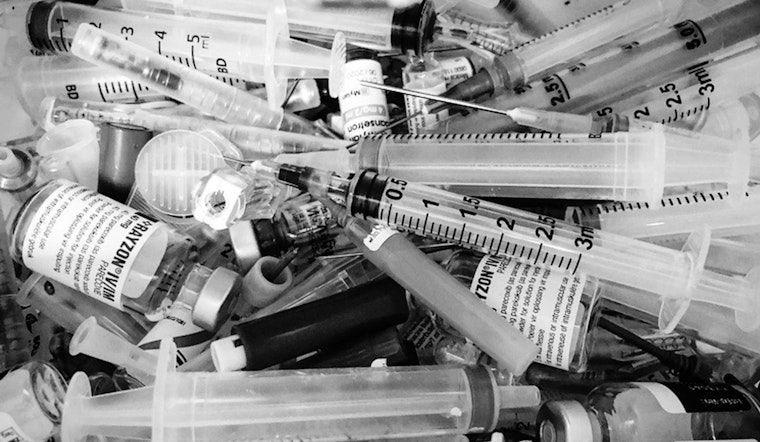
In a bid to clean up the streets of New York City, the Department of Health and Mental Hygiene is putting money into the hands of the public for collecting used syringes. Under the newly implemented Community Syringe Redemption Program (CSRP), participants can earn up to $10 a day for their efforts. This initiative, which is part of Local Law 124, is already showing results, having amassed 20,000 used syringes within its first month of operation, as reported by the NYC Health Department.
After two weeks of onboarding and safety instruction, interested adults were given the go-ahead to start gathering syringes. These individuals need to register, but they can do so continuously as the program is ongoing. The pilot was originated after City Council Deputy Speaker Diana Ayala sponsored the legislation, which was then passed. "Access to sterile syringes is essential to preventing disease and protecting the health of New Yorkers," Acting Health Commissioner Dr. Michelle Morse emphasized, recognizing both the need for clean public spaces and access to syringes to prevent disease transmission, according to the recent press release by the NYC Health Department.
The program has enlisted vans from Addiction Response Resources to visit eight locations across the city, five days a week. These locations were strategically chosen based on community need and their proximity to other programs, explained by the NYC Health Department. The program targets adults who are willing to enroll, focusing on community sites with frequent syringe litter complaints, such as Archer Avenue in Queens and several areas in the Bronx including Highbridge Park and St. Mary's Park.
Aside from syringe collection, the program aims to connect people with additional services. Vans also act as referral points to substance abuse programs and other healthcare services. The Health Department's efforts are multifaceted, having provided comprehensive outreach alongside syringe disposal education over 7,000 times in 2024, as well as distributing over 304,000 naloxone kits across the New York City, the NYC Health Department detailed. Research highlighted by the department shows that SSPs, which provide access to sterile syringes, have helped reduce HIV transmission by 17 percent between 2001 and 2023.
Expanding its battle against syringe-borne diseases and substance abuse, the Health Department has not only championed SSPs but also increased funding for overdose prevention and treatment. Part of Mayor Adams' administration's plan includes a bump in annual opioid prevention and treatment support to $50 million. It also covers widening access to opioid use disorder treatment and leveraging the Relay program, which intervenes after non-fatal opioid overdoses.




