

























































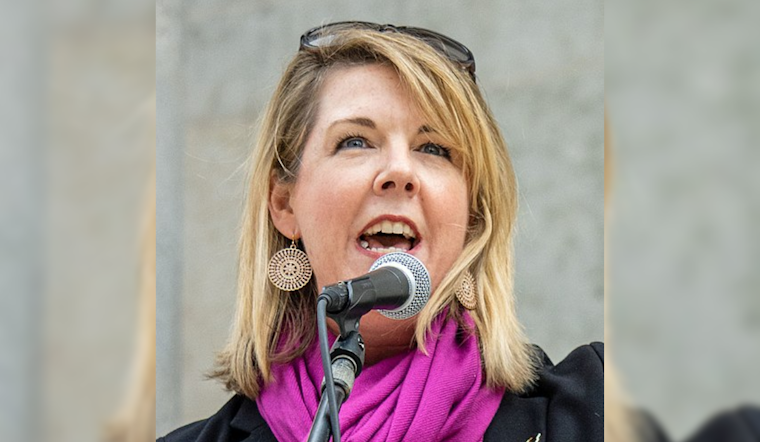
The financial foundation underpinning Ohio's public institutions hangs in the balance as the debate intensifies over the proposal to eliminate property taxes. Leader Russo aired concerns regarding the repercussions of such a move, underscoring the initiative's failure to outline replacement strategies for funding essential services. "I think the effort to put this forward as a constitutional ballot amendment clearly demonstrates frustration by Ohioans on this issue," Leader Russo stated through the Ohio House of Representatives, highlighting citizens' attempts to address legislative inaction through direct ballot initiatives. Russo, however, sees the lack of a financial alternative as a critical flaw in the proposal.
Hinging upon the precarious precipice of property tax overhaul, public schools, safety forces, and vital local services brace for potential defunding. According to a statement by Leader Russo, property taxes are the lifeblood for an array of community cornerstones, including first responders and educational institutions, with more than 60% of all property taxes bolstering the budgets of Ohio's public schools. The looming absence of a financial contingency plan in the property tax repeal proposal casts a shadow of uncertainty over these crucial government functions.
In the face of rising discontent over property taxes, Ohio finds itself at a crossroads where providing relief intersects with the need for sustainable funding solutions. Leader Russo points a finger at the majority party for its role in heightening fiscal stress for homeowners, referencing past decisions by Republican legislators that have resulted in a significant reduction in state revenue dedicated to property tax relief. A statement from Russo revealed, as per the Ohio House of Representatives, "Since 2007 when Ohio Democrats passed the largest property tax cut in Ohio history, Ohio Republicans have walked away from these policies and cut the percentage of state revenue dedicated to property tax relief almost in half."
Ohioans, feeling the squeeze from frequent levies, look on as other states model stronger property tax relief programs. Leader Russo advocates for approaches brought forth in numerous bipartisan proposals, which promise reductions in property taxes for homeowners while maintaining the fiscal health of schools and local governments. As per Russo's argument, relief should ideally target those in greatest need, like working Ohioans, who could benefit from a $1,000 rebate, and seniors seeking to remain in their homes could see expanded homestead exemptions. "Real property tax relief requires the state to pay its fair share and is targeted to those who need it most," Russo said in a statement obtained by the Ohio House of Representatives, insisting on a nuanced approach rather than the sweeping cuts proposed by the amendment.





