

























































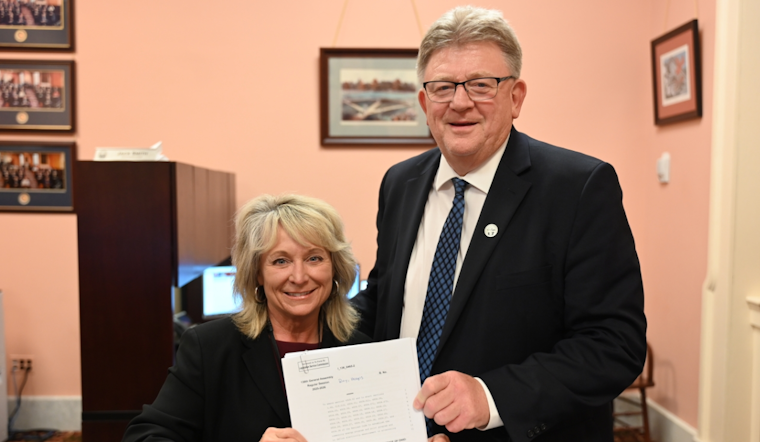
Ohio is making moves to address its energy conundrums and infrastructure woes. In a recent legislative session, State Representatives Sharon Ray (R-Wadsworth) and Jim Hoops (R Napoleon) pitched a bill for the creation of the Community Energy Pilot Program. This initiative, as detailed by Ray, stands to usher in "a measured approach" to modernize and render Ohio's energy grid more resilient. The proposed endeavor covers a spectrum of energy-producing technologies, including solar, wind, and natural gas, among others. Its remit extends from the utilitarian sun catchers to the whirling turbines that harness the invisible forces of the wind.
Focusing on Ohio's evolving landscape, the lawmakers have placed a strategic emphasis on repurposing brownfield sites and distressed lands with solar infrastructure. "Implementing this pilot program will allow us to watch and learn in a measured approach how distributed and diverse generation can help modernize and add resiliency to Ohio’s grid overall," said Ray in a statement obtained by the Ohio House of Representatives. Partner in legislation, Hoops, echoed Ray's sentiments on the bill's significance for bolstering energy generation and grid reliability.
The proposed legislative measure delineates explicit project parameters: Every project must generate 10 megawatts or less to qualify, except when built on certain sites—distressed land or atop commercial or public sector roofs—the permitted output may then swell to 20 megawatts. The legislators' aim with these stipulations appears aimed at threading the fine line between community-scale empowerment and a guard against industrial sprawl.
As the bill continues its journey through the legislature, it awaits the procedural allotment of a bill number and the assignment to a House committee. Lawmakers and citizens alike watch with a tempered hopefulness, where a future charged with sustainable energy begins to crystallize from the sparkling rhetoric of policy proposal to the grounded reality of practical implementation. It’s a step towards adapting not just the state's grid but reinvigorating the land that has languished under the label "distressed," offering a second chance not just for the land, but for innovation in energy generation that benefits Ohioans state-wide.





