

























































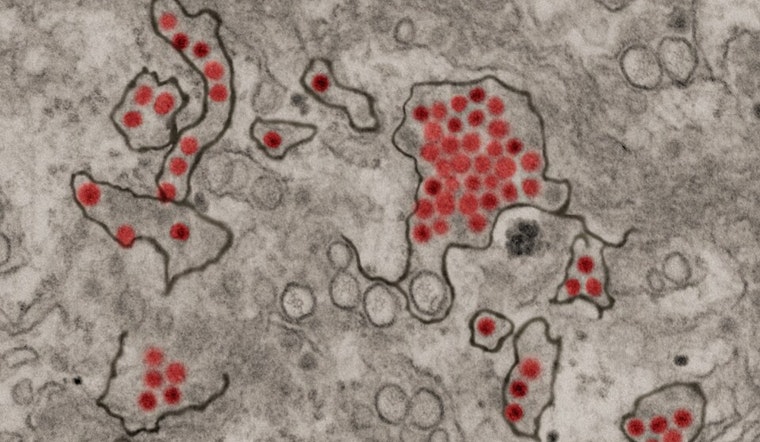
In an unanticipated twist in viral pathology, scientists at The Ohio State University have unearthed the cunning tactic the Zika virus employs to outsmart its human hosts and ensure its replication and spread. Published recently in the Proceedings of the National Academy of Sciences, the study led by virology professor Shan-Lu Liu uncovers how Zika subverts a cell's internal waste-management system to hinder the very proteins that typically marshal an antiviral response, effectively paving the way for the virus to invade and hijack the cells uncontested.
On the front lines are cell surface proteins like AXL and TIM-1, known gateways for many viruses, including Zika but what makes this virus’s strategy remarkable is it enlisting multiple proteins of its own to suppress these entry-point proteins this is a nuance that the Ohio State team, examining its effects across respiratory, reproductive, and neurological cells, finds is pervasive in Zika's modus operandi, according to Liu's statement shared by Ohio State News, "That’s the most interesting part: It’s amazing that not only one, but several Zika proteins can do this," he emphasized. While commonly associated with mosquito-borne transmission, Zika's continuing low-level spread in the Americas and beyond speaks to the ongoing public health concern it poses, particularly given its linkage to severe congenital outcomes and neurological syndromes.
Though the global frequency of Zika has seen a downturn since its 2017 peak, the virus has not been vanquished and remains a latent threat, especially in regions where the Aedes aegypti mosquito is prevalent. The research community remains on guard due to Zika's potential to cause grave developmental disorders such as microcephaly in newborns and disorders like Guillain-Barré syndrome in adults, concerns that are underpinned by outbreaks such as the one that occurred in Brazil in 2015.
To fathom Zika’s persistence once inside the cell, Liu's group carried out experiments with both African and Asian strains of Zika in cells pertinent to the respiratory, reproductive, and neurologic systems, which the virus targets: human lung lining cells, trophoblasts involved in embryo development, and glioblastoma brain cancer cells. These findings, demonstrating the virus's ability to exploit cellular processes designed for maintenance and health, suggest strategies by which Zika might be counteracted, providing a fuller picture of the complexities involved in safeguarding human health from such shrewd, microscopic invaders.





.jpg)