

























































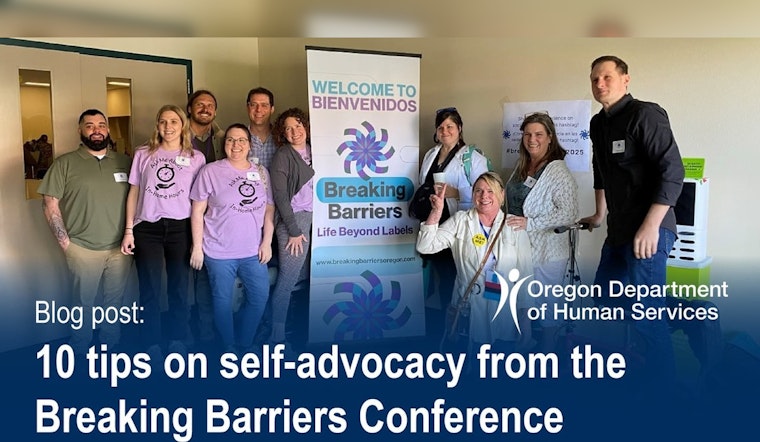
Breaking down barriers and amplifying voices within the intellectual and developmental disabilities (I/DD) community, the Breaking Barriers: Life Beyond Labels conference recently convened in Redmond, hosted by the Central Oregon Disability Support Network (CODSN). An impressive turnout of 600 individuals, including allies and advocates, witnessed the sharing of pivotal insights through presentations and panels.
The gathering, as per ODHS reports, spanned 32 sessions with 58 speakers ranging from self-advocates to healthcare professionals. Dianna Hansen, the network’s executive director, conveyed the vital need to come together and learn from each other. The conference also played host to 75 vendors, which included twelve self-advocate artists offering their work for sale, demonstrating a vibrant and entrepreneurial aspect of the I/DD community.
Two foundational themes emerged from the conference: the importance of communication and the necessity to reexamine conventional definitions of independence. Ramonda Olaloye, as told to ODHS, highlighted the weight of educators' words on children with I/DD, urging for a consideration of how “our children deserve to be recognized as individuals.” Similarly, Alva Gardner, a keynote speaker with cerebral palsy, shared her message that “Independence doesn’t always mean doing everything yourself,” as she runs a business with the aid of personal assistants.
Self-advocacy was a crucial topic—keynote speakers stressed the initiation of such skills in childhood. According to ODHS, Olaloye got her daughter involved in her own Individual Support Planning meetings from an early age. On the other hand, resources like the new Self-Advocate Guide to I/DD Services, released by ODDS and the Oregon Self-Advocacy Coalition, aim to streamline the service planning process for self-advocates.
As the conference showcased, self-advocacy does not only stop at personal development; it leads to collective action and change. For example, CODSN board member Felicity Woods used her voice to counter bullying and leverage the Self-Advocate Guide. Meanwhile, self-advocate Jordan Ohlde was part of a successful lawsuit to ensure neighborhood accessibility, their story serving as a testament to the ongoing nature of self-advocacy.
For those interested in continuing the conversation on self-advocacy, upcoming events include The Arc Oregon's Self-Advocacy Convention on June 12‒13 and the Oregon Self-Advocacy Coalition's annual Inclusive Leadership Summit on September 22. More information and opportunities to connect are available on CODSN’s various digital platforms, as well as resources for assistance with conference attendance.





