

























































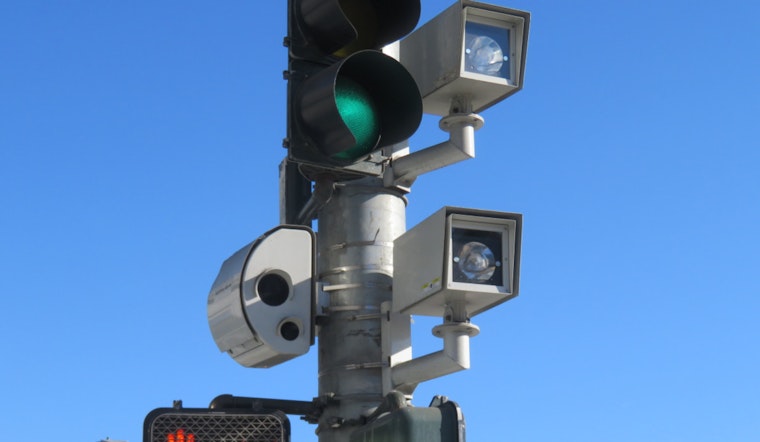
In a decisive move to enhance traffic safety in Seattle, the City Council has unanimously passed new legislation sponsored by Transportation Committee Chair Rob Saka, which will expand the deployment of traffic safety cameras across the city. According to a report from the Seattle City Council's website, Saka's bill not only widens the use of these cameras but also sets up an Automated Traffic Camera Fund, directing revenue towards traffic safety initiatives and Vision Zero programs attempting to eliminate traffic fatalities and severe injuries.
"Increasing the use of traffic cameras in and outside of school zones is an essential tool for protecting all travelers – pedestrians, cyclists, drivers and bus riders alike," Councilmember Saka specified, as reported by the City Council's website. The camera expansion looks to target areas known for speeding and dangerous driving, including Alki and Harbor Avenues, which have seen detrimental street racing activity. Moreover, the authorized camera revenue will enable the city to repair and address the gaps in the sidewalk network, benefitting pedestrian safety.
Backing the initiative, Council President Sara Nelson stated, “Public safety has long been a top priority of this council – whether it’s investing in police hiring, regulating after-hours establishments, or enhancing road safety,” as mentioned on the same council website. The expanded use of safety cameras is seen as another vital component in the city's comprehensive strategy to bolster public safety.
Nationally, the efficacy of traffic safety enforcement cameras in diminishing speeding and resultant serious crashes has been documented, with Seattle experiencing similar positive outcomes. The new legislation restricts public disclosure of camera data, improves privacy and notification standards and brings municipal code in line with state law changes from June 2024. Notably, an amendment from Councilmember Saka mandates that 70% of the camera revenue will support the General Fund, while at least 15% of the remaining 30% will be dedicated to improving sidewalk infrastructure.
Following the enactment of the legislation, the bill will proceed to the Mayor’s Office and will become effective 30 days after receiving his signature. This measure is expected to enhance safety in areas like Alki, where residents and visitors have been affected by unsafe driving behaviors. Saka’s leadership, along with collaboration with SDOT and the City Council, has been instrumental in addressing community concerns and implementing actions to improve safety on Seattle’s streets.





