

























































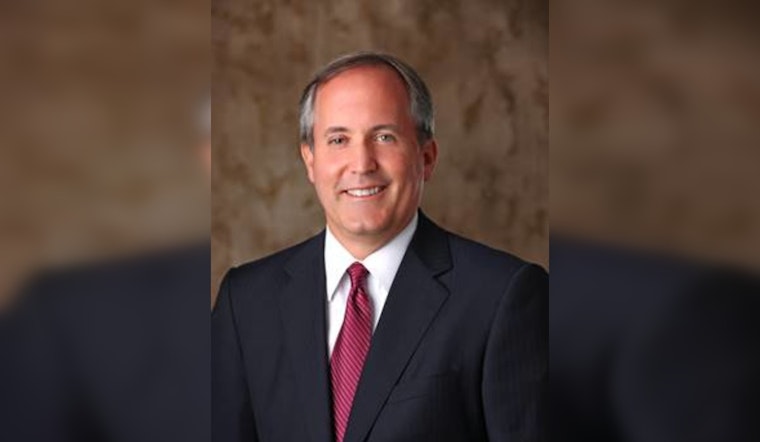
The Texas Attorney General's Office has put an end to its scrutiny of Superior Insurance, absolving the company of unlawful behavior in its recent surveillance activities. Back in March, Attorney General Ken Paxton had sparked controversy by launching an investigation over concerns that Superior Insurance had engaged private investigators to spy on lawmakers, journalists, and private citizens embroiled in insurance claims with the firm. The serious tone of Paxton's announcement implied a significant breach of trust was suspected.
This investigative mission mandated by the OAG directed Superior to produce relevant documents, an order which the company complied with. The Consumer Protection Division, alongside the Health Programs Enforcement Division, took the lead in dissecting the evidence. After a thorough examination, the investigation was closed "based on the evidence available at this time," as quietly noted in a statement from the Office of the Attorney General.
Superior's actions constituted the collection and synthesis of information that already lay bare in the public domain, thereby treading within the confines of legality according to Texas law. More specifically, Superior contracted an external private investigation firm whose work was solely to compile reports from accessible sources like online searches, subscription database contents, and the Texas Ethics Commission filings, all of which present no legal transgression.
Furthermore, the OAG's probe discovered no trace of clandestine surveillance or privacy infringements. The documentation retrieved by the agency confirmed that "the investigation concluded that those reports were limited to publicly available information," including results from internet searches and other non-restricted resources. Of note, is the fact that none of the probes touched upon sensitive personal or confidential information, such as protected health data, thus silencing the alarm over potential legal breaches.





