

























































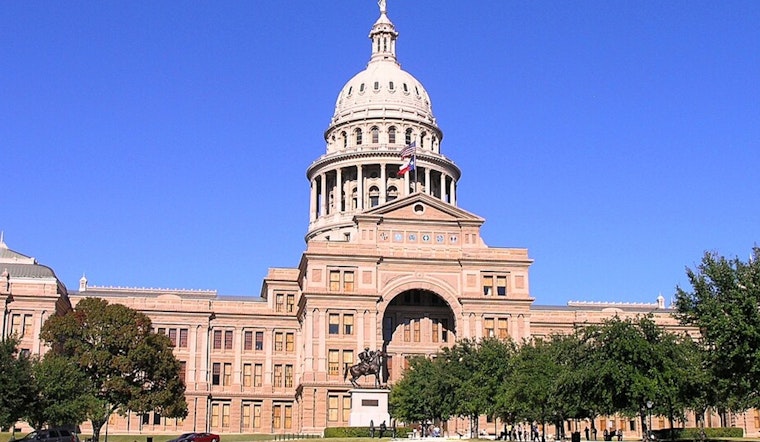
The Texas State Capitol has been bustling with activity as the final days of the 89th legislative session tick down to a close. With both the Texas House of Representatives and the Senate racing against the clock, key pieces of legislation are hanging in the balance, facing a Wednesday midnight deadline for final passage. According to a report by CBS Austin, the House must give initial approval to all bills by Tuesday night, adding pressure to an already tight schedule.
High-priority bills, including those that address drag performances in public libraries, the regulation of self-driving cars, and parental oversight over school library catalogues, are among those that may end up on the chopping block if they do not advance swiftly. Rep. Briscoe Cain expressed concerns about potential delays, stating, "My understanding is members are postponing so we don't slow calendar down," and questioning the efficiency of the process in a Republican-controlled chamber, as reported by CBS Austin.
Over the weekend, the Capitol was a whirlwind of legislative action, with the Senate hearing testimony on bills and the House in full session, according to The Texas Standard. While families observed the proceedings, giving children a first-hand lesson in civics, lawmakers worked diligently on pending legislation, such as the power grid reliability bill and controversial measures concerning K-12 diversity, equity, and inclusion, as well as public school book restrictions.
Among the critical bills still in flux are the school funding measure and a proposal to display the Ten Commandments in schools, along with a bail reform constitutional amendment. Despite the looming deadlines, Blaise Gainey from The Texas Standard posited, "Technically the school funding bill hasn’t passed even though it is expected to pass early this week." Gainey also noted the importance of local projects to lawmakers, who are eager to fulfill promises made to their constituents.
For those pieces of legislation that have yet to clear both legislative chambers, many will enter conference committees, where key legislators will hash out differences in hopes of finding common ground. As the week progresses, House lawmakers are bracing for extended sessions, with expectations of working up until the midnight hours to ensure critical bills receive their due consideration before time runs out on the session scheduled to end on June 2.




