

























































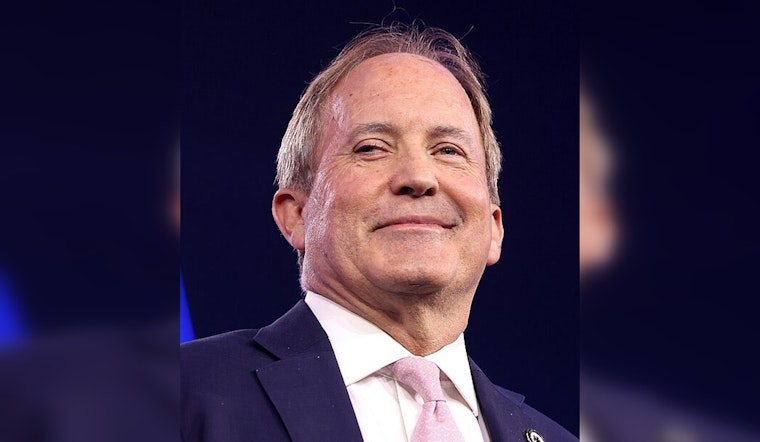
In a decisive move, Attorney General Ken Paxton has advanced his legal crusade against Annunciation House, a border NGO, by gaining the approval of the Supreme Court of Texas to proceed with a lawsuit. The NGO has been accused of deliberately harboring individuals classified as "illegal aliens" and aiding their transit deeper into the U.S. In a statement obtained by the Office of the Attorney General of Texas, Paxton claimed, "Annunciation House has flagrantly violated our laws by harboring illegal aliens and assisting them to enter further into our country."
Paxton's pursuit began in 2024 with the filing of a lawsuit that charged Annunciation House with operating a stash house and violating Texas’s Penal Code related to harboring illegal aliens. The allegations hinged on public evidence, employee admissions, and admissions in court, all of which were supposed to clearly indicate the NGO's role in systematic legal breaches. However, the NGO managed to initially impede Paxton's efforts by securing an injunction from a district judge in El Paso County, a move that temporarily stalled prosecution. A reversal by the Supreme Court has effectively cleared the path for Paxton to, once again, take up the legal battle against the organization.
The legal contention surrounding Annunciation House ignited further controversy when accusations arose insinuating that Paxton's actions had an underlying bias against the NGO’s religious associations. Addressing these concerns, the Supreme Court's ruling expressly found "no evidence to support" such claims. It emphasized that allegations of the attorney general's pursuit being based on the NGO's relation to the Catholic Church or Christian faith were unfounded. The court also reminded the judicial system to presume the attorney general acted with "a presumption of regularity, good faith, and legality," reinforcing the legitimacy of Paxton's move against the organization, according to the Office of the Attorney General of Texas.
In response to the high court's decision, Paxton remarked, "Today is a great victory for Texas, secure borders, and the rule of law." This sentiment echoes the attorney general's commitment to maintaining border security and implementing state laws. The court's recent judgment ensures that Attorney General Paxton can continue to aggressively push against any NGOs he believes to act contrary to Texas law.





.jpg)