

























































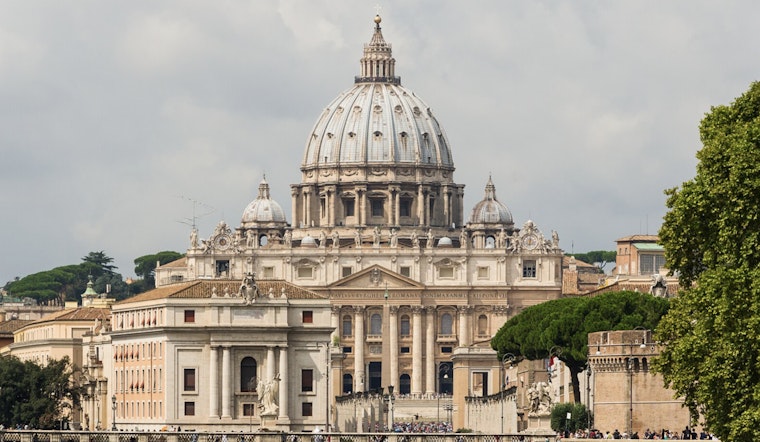
The ceremonial proceedings to select a new leader for the world's 1.2 billion Catholics have begun, with a historic number of cardinals convening in Vatican City. The papal conclave, responsible for choosing the 267th pope, follows the tenure of Pope Francis. A distinctive 133 cardinals, the most in history, are partaking in the election, including 10 from the United States. According to ABC7NY, electors will convene twice daily, committing their choices to the ballot, eventually signaling their consensus with white smoke from the Sistine Chapel's chimney.
A mixture of active archbishops and retired leaders, the U.S. contingent is second in number only to Italy. The American cardinals harbor diverse ideological perspectives spanning the conservative stance of New York's Timothy Dolan to the more reform-inclined perspectives of Newark's Joseph Tobin and Washington's recently appointed Robert McElroy. As detailed by NBC New York, these figures have played pivotal roles in shaping the Church's response to urgent social issues, from LGBTQ+ inclusion to immigration.
Cardinal Dolan, given his age of 75, is participating in what could likely be his last conclave given the Church's cut-off for voting rights at 80. Known for his conservative leaning, Dolan has in recent years demonstrated a degree of openness by welcoming a conference at Fordham University celebrating LGBTQ+ Catholic outreach. Across the Hudson, Cardinal Tobin has garnered praise for his multilingual ability and his inclusive stance on accepting Syrian refugees against political opposition.
In contrast, Timothy Dolan's dual service as chairman of Catholic Relief Services and the president of the U.S. Conference of Catholic Bishops, illustrates the depth of his involvement in Church hierarchy and governance. Elector Raymond Burke, known for his traditionalist ideology, has openly declared opposition to Communion for Catholic politicians who support abortion rights. Far from being monolithic, the conclave’s U.S. representation showcases the breadth of American ecclesiastical philosophy, amid the global Church's crossroads of tradition and modernity.
The voting process, conducted in secrecy, is expected to proceed as usual, with all details kept under wraps until the decisive moment, when the color of the chimney smoke symbolically announces the outcome to the world. As ABC7NY reports, black smoke will continue to rise until the gathering of cardinals, those bearers of the Church's immediate future, find unity in their selection, culminating in the white smoke that heralds a new era for Catholics worldwide.





