

























































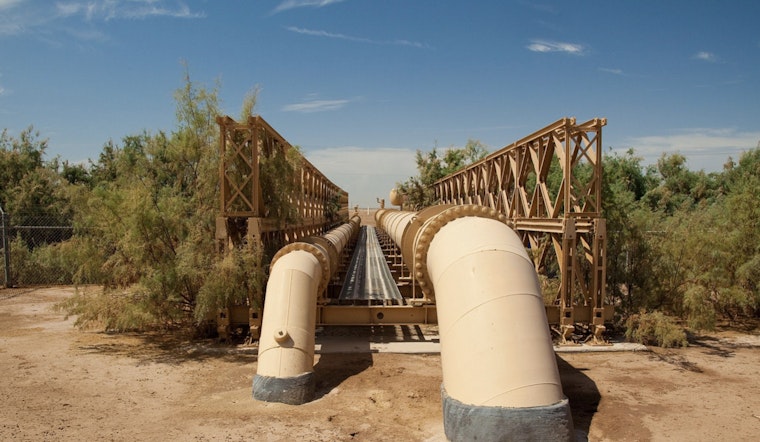
Energy infrastructure conversations in New York have taken on a new life as pipeline company Williams Companies seeks to reinstate two major natural gas pipeline projects. The revival of the Constitution and Northeast Supply Enhancement pipeline proposals coincides with Gov. Kathy Hochul's recent show of openness towards new energy development projects amid high energy costs.
The Constitution pipeline is planned to stretch over 100 miles, transporting natural gas from northeast Pennsylvania towards Albany, while the Northeast Supply Enhancement project would run largely underwater from New Jersey toward New York City. According to The New York Times, Williams Companies plans to file permit paperwork and aims to have the NESE pipeline operational by late 2027, a move to directly address supply constraints that have historically bumped up energy costs for consumers.
Hochul, on the other hand, has been considering the benefits of such projects at a time when residents face soaring utility bills. "I have to look at this in a different lens and will continue being committed to our climate goals," she told the Gothamist, indicating a potential shift in the state's energy policy that could potentially raise tensions with environmental groups.
These developments appear to be linked to the Trump administration's withdrawal of opposition to the Empire Wind project, a $5 billion offshore wind initiative expected to power 500,000 New York homes. Energy and environmental politics are proving to be a delicate balancing act, as Interior Secretary Doug Burgum expressed encouragement in a post on X regarding Hochul's willingness to "to move forward on critical pipeline capacity," as obtained by The New York Times.
However, these pipeline projects, once hindered by the former Governor Andrew Cuomo's administration for environmental reasons, also come with opposition. Environmental advocacy group Food & Water Watch is raising concerns that the pipelines might not only threaten rivers and ecosystems but also hinder New York's climate sustainability goals. Alex Beauchamp, Northeast Region Director for Food & Water Watch, highlighted in a statement shared with the Gothamist, the risk of becoming more reliant on fossil fuels and the possible long-term impact on urban centers in the Northeast.
The revived pipeline proposals still face challenges including securing long-term customers and overcoming potential legal barriers from local residents and environmental groups. With New York and other Northeastern states setting aggressive goals for reducing fossil fuel use, the future of these natural gas pipelines remains uncertain. Despite lowering energy costs for consumers being a driving argument, financing these large-scale infrastructure projects and navigating the complex environmental and political landscape will determine whether Williams Companies will successfully bring these pipeline projects to fruition.





