

























































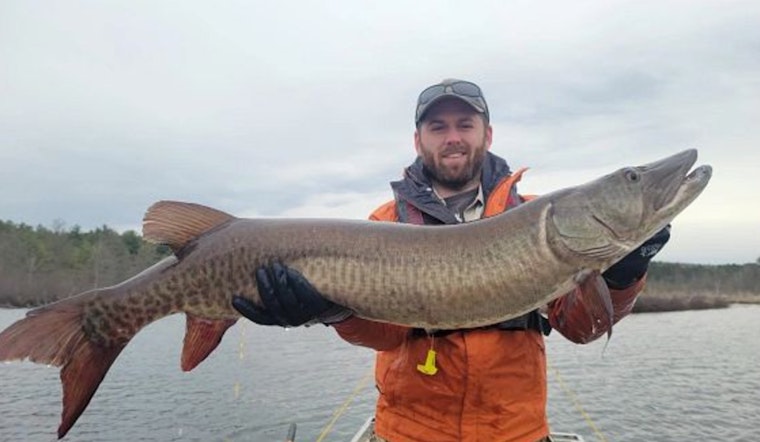
Anglers in Wisconsin are gearing up for the start of the Northern Zone musky season, which opens on May 24 and will continue until the end of the year, December 31. As reported by the Wisconsin Department of Natural Resources, those eager to cast their lines in pursuit of the muskellunge—a toothy, challenging catch—will have a full season ahead to navigate the northern waters.
Additionally, it's important for those participating to review the latest fishing regulations, as outlined by the Wisconsin Department of Natural Resources, these guidelines include daily bag and size limits, and any special regulations specific to individual counties, anglers are also reminded to ensure they have a valid fishing license, which can be acquired online through the Go Wild system or from any licensed agent. As temperatures rise, fish typically finish spawning and become more actively feeding, suggesting that this season's conditions may prove favorable for a bountiful musky haul.
Fishing techniques that may yield success during the prime early season include the use of small bucktails, jerk baits, plastics, and topwater lures, especially in shallower vegetated areas such as bays and channels, where musky are known to congregate. The emphasis is on responsible angling: the Wisconsin Department of Natural Resources provides tips for the proper handling and releasing of musky to conserve these apex freshwater predators for future generations of Wisconsinites to enjoy.
For anglers looking to deepen their local knowledge or discover new musky hotspots, the Wisconsin Department of Natural Resources has also launched the Wisconsin Fishing Finder, a tool that assists in finding the best fishing locations, as the Wisconsin Department of Natural Resources underlines the importance of having the necessary release tools—a large landing net, long nose pliers, hook cutter, and gloves—a good practice that ensures the well-being of the fish and sustains the sport's vibrant future. All these preparations marry the anticipation of the chase with the stewardship of the environment, threading the joy of the sport with the call to preserve the natural world we are part of.




