

























































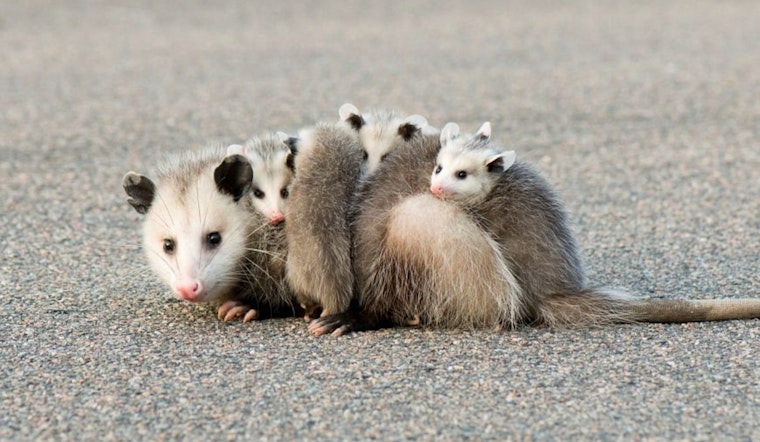
As we gear up for a long holiday weekend, the Wisconsin Department of Natural Resources (DNR) has a message for those venturing into the great outdoors: keep wildlife wild. According to a release from the DNR, with the arrival of spring and summer, there's an increased likelihood of encounters between humans and wildlife, notably young animals who might appear to be orphaned.
Jenna Fastner, a captive wildlife health specialist with the DNR, underlines the importance of restraint: "While many of these encounters are harmless, there are times when well-intentioned individuals disrupt wildlife because they mistake a lone young wild animal for an orphan." She stresses that protection of wildlife is paramount and advises the public to reach out to the Wisconsin DNR or a licensed wildlife rehabilitator before taking action. These experts can offer guidance on whether a young wild animal truly requires assistance.
Preserving the natural behavior of Wisconsin's diverse wildlife can be as simple as observing from a safe distance and preventing pets and children from approaching too closely. The DNR highlights several measures to ensure minimal disturbance to these animals. Among them is the admonition against feeding wild animals, a practice that can lead to dependency and dangerous human-animal interactions. Additionally, the DNR urges careful consideration of how we portray wildlife on social platforms; framing wild animals as akin to pets may influence unhealthy and unsafe behaviors.
The DNR also points out that animals in the wild should be allowed to learn important survival and social skills within their own communities in nature. Misplaced human intervention can hinder this process. For those concerned about the welfare of a wild animal, reaching out to the DNR or a professional rehabilitator is always the recommended first step. Detailed resources and species-specific guidance for determining when to intervene with young wildlife can be found on the DNR's Keep Wildlife Wild webpage.





