

























































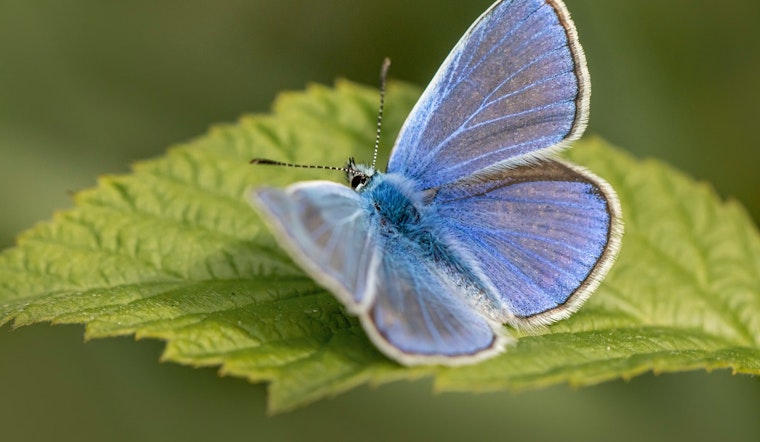
The Wisconsin Department of Natural Resources is reaching out to the community for a helping hand with tracking the Karner blue butterfly, an endangered species unique to the area. This initiative is part of their annual Karner Blue Butterfly Volunteer Monitoring Program. The DNR has been collecting data through these surveys since 2018, contributing crucial information to the U.S. Fish and Wildlife Service's Karner Blue Recovery Plan, aimed at increasing the butterfly's population enough for it to be removed from the endangered list.
Volunteers who join the program will be tasked with identifying and monitoring Karner blue butterflies, a species that has seen its habitat decline from Minnesota to Maine and up into Canada due to a variety of factors including habitat loss, fragmentation, and climate change. As reported on the DNR's website, the data recorded by volunteers is vital to understanding population trends and distribution of these butterflies over time.
Wisconsin currently boasts the largest population of these butterflies, thanks in part to its wealth of natural habitats, such as open barrens, savannas, and prairies, home to the wild lupine plant, which is the sole food source for the Karner caterpillars. This ecological symbiosis is critical for the species' survival, highlighting the importance of volunteer efforts in maintaining these fragile ecosystems.
Chelsea Weinzinger, DNR Karner blue butterfly recovery coordinator, emphasized the role of volunteers: "Volunteers will be able to identify Karner blue butterflies and help us collect data to look at how this species moves around the landscape over time." Volunteers are particularly needed in select counties where the Karner blue butterfly is known to occur, including Adams, Columbia, and Monroe, among others.
Those interested in pitching in can find more detail and apply to become a volunteer via the DNR website.





