

























































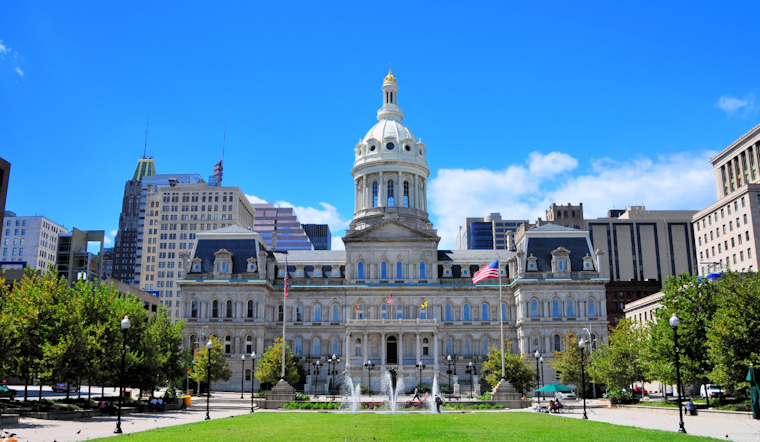
Mayor Brandon M. Scott sealed the deal on Baltimore's fiscal future with the signing of the FY2026 city budget. Flanked by Council President Zeke Cohen and other council members, Scott championed the budget's commitment to youth investment, public safety improvement, and neighborhood growth despite an $85 million budget gap. According to a statement obtained by the City of Baltimore Mayor's Office, the budget successfully avoids core service cuts, layoffs, and tax increases. "This budget invests in our youth, builds on our public safety progress, and drives growth in all of our neighborhoods," Mayor Scott stated.
The City Council made headway on the budget last week with a decisive 13-2 vote, eyeing improvement in community support and fiscal management. Council President Zeke Cohen emphasized the collaborative spirit that shaped the budget, which seeks to balance the need for fiscal oversight with forward-looking community investments. "Our City Council worked hard to produce a budget that invests in Baltimoreans of every background and age," Cohen told the Mayor's Office. Part of the budget's design is to generate $2 in savings for every dollar of revenue, streamlining the city's financial operations.
With a slice of the budget pie, Baltimore's youth are set to gain significantly. The FY2026 allocation includes $634.4 million for youth-focused services. A summer boon comes with funding for 8,500 spots in the YouthWorks program, complemented by operational costs for three new recreation centers. B'more for Healthy Babies will continue receiving services for over 10,000 families, leveraging an additional $1 million for the program.
Public safety operations are set for a $1.2 billion booster shot, focused on measures such as the citywide expansion of the Group Violence Reduction Strategy. Additionally, funds are earmarked for transitioning police administrative work to civilian personnel, a move projected to save $1.1 million annually. Traffic safety isn't being left in the rearview, with an extra $1 million pledged for traffic calming projects to protect residents across Baltimore.
Equitable development is another planned destination, with $349.6 million devoted to leveling the city's developmental playing field. Notable initiatives include the Bmore Fast program to expedite the city's permitting process and the establishment of a new Department of Consumer Protection and Business Licensing to centralize licensing procedures. The Mayor’s Office of Art, Culture, & Entertainment is looking at a $2 million kickoff to drive the city's arts and events scene.





