

























































A suspected pipe bomb discovered in a vehicle on Friday evening led to the closure of a major road in North Brevard County and the arrest of a man who allegedly planned to target a state radio tower. The incident, which authorities emphasized was not an act of terrorism, appears to have been motivated by employment-related grievances.
Brevard County Sheriff Wayne Ivey responded to reports of a suspicious vehicle in the Mims area after the Sheriff's communications team spotted unusual activity. According to FOX 35 Orlando, deputies arrived at Deering Parkway Road just as the vehicle was attempting to leave the scene. The driver's explanation for his presence in the area raised immediate suspicions.
"His story didn't match what was going on," Sheriff Ivey explained in Facebook video updates shared with the community. A subsequent search of the vehicle revealed what appeared to be a pipe bomb, prompting the immediate deployment of the Brevard County Sheriff's Office bomb unit. As reported by WFTV, the suspect had made statements about being recently terminated from employment and harbored anger toward his former employer.
Critical Infrastructure Under Threat
The targeting of a state radio tower represents a concerning trend in attacks on critical infrastructure. Florida has experienced numerous threats to its communication systems and other vital facilities in recent years. According to Cyber Florida at USF, the state has identified 16 critical infrastructure sectors requiring enhanced protection, including communications, energy, and government facilities.
The incident comes amid heightened concerns about infrastructure security nationwide. Recent data from Reuters indicates that complaints about attacks on U.S. infrastructure rose by 9% in 2024, with the FBI warning of increasing threats to critical systems. While many attacks are cyber-based, physical threats like the alleged pipe bomb plot remain a significant concern for law enforcement.
Recent Similar Incidents in Florida
The Brevard County incident is not isolated in Florida's recent history of explosive device encounters. In April 2024, a Putnam County deputy was injured when a chemical pipe bomb exploded during a routine traffic stop. As documented by CBS12, body camera footage showed the device detonating in the deputy's face, causing respiratory injuries from what authorities believed was chlorine powder.
That incident resulted in the arrest of 60-year-old Charles Legault on charges including possessing an explosive device, battery on a law enforcement officer, and trafficking methamphetamine. The case highlighted the dangerous unpredictability of improvised explosive devices and the risks faced by law enforcement during routine encounters.
The Brevard County Bomb Squad Response
The Brevard County Sheriff's Office Bomb Squad, established in 1988 and federally accredited by the FBI, deployed its specialized equipment including a robot to assess the threat. According to Space Coast Daily, multiple units responded to the scene, including federal authorities who assisted in determining appropriate charges.
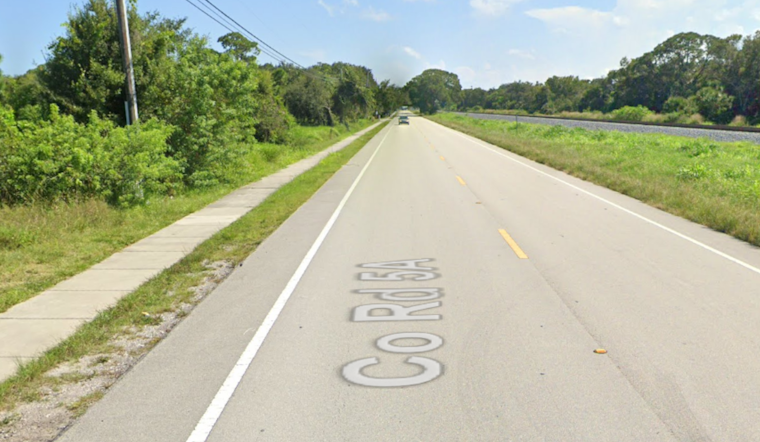
The road closure affected a significant transportation corridor. Deering Parkway Road, also known as County Route 5A, serves as a key connector between Interstate 95 and U.S. Highway 1 in the Mims area. The closure lasted several hours as bomb technicians worked to ensure the area was safe.
Employment Disputes and Infrastructure Threats
The suspect's alleged motivation—anger over employment termination—reflects a concerning pattern of workplace grievances escalating to threats against critical infrastructure. Sheriff Ivey noted in his statements that WDBO reported the individual had "made some statements about getting fired and things of that nature."
This mirrors a broader trend identified by security experts where disgruntled employees or former workers pose insider threats to critical systems. The targeting of a state radio tower suggests the suspect may have had specific knowledge of or connection to the communications infrastructure.
Legal Implications and Charges
While specific charges against the Brevard County suspect were still being determined at the time of the incident, Florida law provides severe penalties for threats to critical infrastructure. Under Florida statutes, knowingly and intentionally tampering with critical infrastructure that results in damage of $200 or more constitutes a second-degree felony.
Additionally, federal charges may apply given the nature of the alleged explosive device and the targeting of state communications infrastructure. The involvement of federal authorities in the investigation suggests prosecutors are considering all available legal options. Possession of an explosive device alone can result in significant prison time, with enhanced penalties when critical infrastructure is targeted.
Community Impact and Safety Measures
The incident caused significant disruption to the Mims community, with residents advised to avoid the area and use alternative routes. The proximity to major highways—Interstate 95 and U.S. 1—meant the road closure affected both local and through traffic in North Brevard County.
Local authorities emphasized the importance of community vigilance in identifying suspicious activities near critical infrastructure. The fact that the Sheriff's communications team initially spotted the suspicious vehicle demonstrates the value of alert personnel in preventing potential attacks.
Broader Context of Infrastructure Protection
Florida has been implementing enhanced cybersecurity and physical security measures for its critical infrastructure. According to reporting on state initiatives, local governments were required to adopt cybersecurity standards consistent with NIST best practices by January 1, 2025. These efforts reflect growing recognition that infrastructure protection requires both digital and physical security measures.
The state has also allocated significant resources to infrastructure protection, including a $40 million competitive grant program for local government cybersecurity enhancements. While focused on cyber threats, these initiatives acknowledge the interconnected nature of modern infrastructure vulnerabilities.





