

























































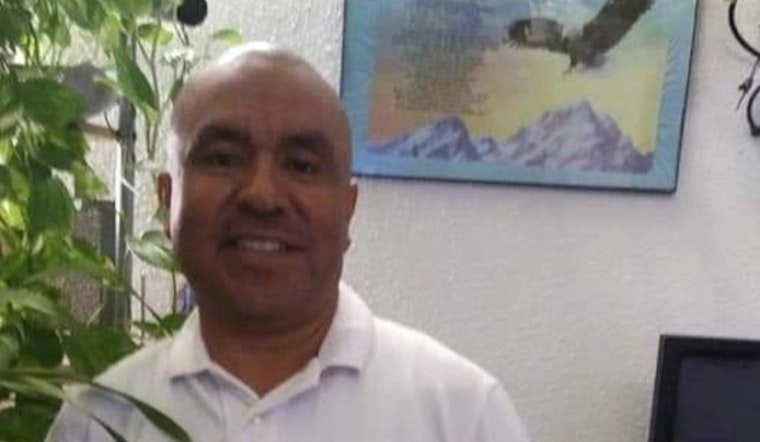
In Culver City, a community famed for its diversity and inclusiveness, the forceful detention of Ambrocio "Enrique" Lozano, a local ice cream vendor, by federal agents has sparked significant outcry and mobilization among residents. Lozano, who has been a fixture in the neighborhood for nearly two decades, was reportedly apprehended by masked agents in unmarked vehicles last week, according to ABC7. Family members and supporters have since galvanized, calling the arrest "inhumane" and rallying support for his release.
The circumstances of Lozano's arrest have drawn criticism from political leaders, including Rep. Sydney Kamlager-Dove, who highlighted the troubling nature of the operation during a rally at Veterans Memorial Park: "He was snatched, kidnapped, by folks masked in unmarked cars with no warrants." As of late, a GoFundMe page established to aid Lozano's family has raised significant funds, with contributions flowing in from neighbors and complete strangers alike. Lozano is currently held at a Texas detention center, as detailed by KTLA. His niece, Mayra Segura, has expressed optimism about his release on bond, stating, "Once we post bond for him and he’s out, we know he’s going to be okay."
The recent ICE detentions have instilled fear and uncertainty within the broader Los Angeles immigrant community. An abandoned ice cream cart, once belonging to Lozano, has since become an emblem of resistance, a symbol for many residents opposed to President Donald Trump's stringent immigration policies. The response to Lozano's detention and the symbolic image of his cart has given rise to a strategic shift among local activists. In lieu of mass demonstrations, rapid responses fueled by social media are becoming the norm, exemplified by hyperlocal grassroots organizations like Siempre Unidos LA, according to NBC News.
Organizations such as Siempre Unidos LA and Centro CSO have been pivotal in circulating critical information about ICE operations and have become trusted sources within the community. By relying on citizen-submitted videos and real-time updates, these grassroots groups are creating a pervasive network of surveillance and solidarity, aiming to protect those at risk. "People trust us, rightfully, because we’re out there doing the work," Gabriel Quiroz Jr., an organizer for Centro CSO, told NBC News. The deeply personal impact of these efforts was echoed by Lozano's niece, Kimberly Noriaga, who in an interview conveyed her family's initial despair, which turned to hope with the community's outpouring of support.
As the battle for Lozano's freedom continues, the incident underscores a larger narrative of fear and resistance permeating immigrant communities under current federal immigration crackdowns. Despite the anxiety, the tangible support and unity radiating within these communities suggest a resilient stand against what many see as unjust and aggressive enforcement tactics.




