

























































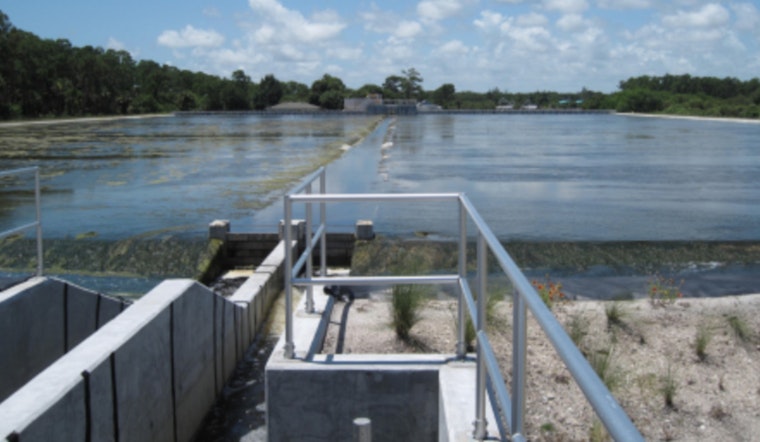
Residents of Durham County have a new environmental project on the horizon, and it's aimed squarely at enhancing water quality in the region. The City’s proactive attempt to tackle water pollution comes through the deployment of an "Algal Floway" system, an innovation that city officials believe could be a game-changer in maintaining the health of its aquatic ecosystem.
Information about the project surfaced on the City of Durham's official website, announcing that a virtual session for the public is slated for June 24, offering residents the opportunity to dive into the details of this green technology and its potential sites within Durham County. Jonathan Baker, the Stormwater Project Manager, has underscored the importance of the project for compliance with state regulations, particularly concerning Falls Lake; "This project is a critical step in helping Durham meet water quality rules for Falls Lake," he emphasized in a public statement, illustrating the grave significance of this environmentally attuned initiative.
The comprehensive rollout of this project includes not just the proposal and public engagement through the web-based info session, but a rigorous evaluation process for suitable sites, followed by thorough environmental and engineering assessments, all geared toward bringing the proverbial murky waters of degradation into the clear vistas of sustainable management.
It's not just about meeting these environmental benchmarks; it's about a legacy of stewardship that the City and County hope to establish and sustain, and this technology, characterized as proven and cost-effective, is expected to be the linchpin in that long-term vision, additional public meetings to discuss progress suggest the engaged pace at whick the city is pursuing cleaner waterways and the participatory nature of its approach, as average citizens transform into informed stakeholders in the health of their environment.





