

























































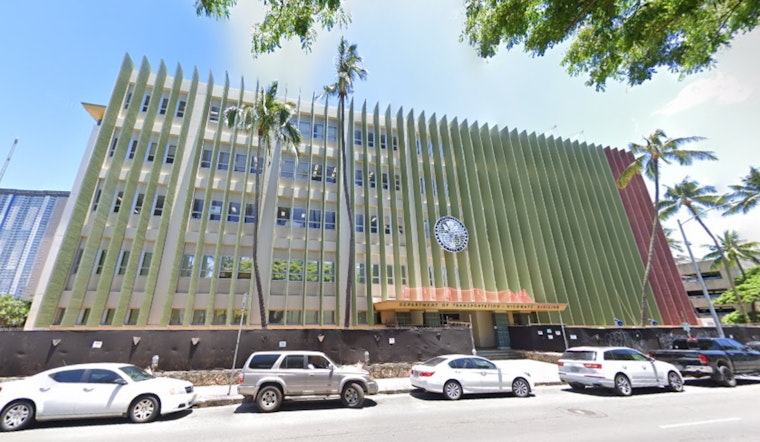
The Hawaiʻi Department of Transportation released its Energy Security and Waste Reduction Plan last Friday. The plan sets targets to reduce transportation emissions by 50% from 2005 levels by 2030, reach net-negative emissions by 2045, and eventually achieve zero emissions. It also aims to keep travel affordable and accessible across the state, according to the Hawaiʻi Department of Transportation.
“HDOT’s Energy Security Plan is a call to action,” said Hawaiʻi Department of Transportation Director Ed Sniffen. The plan describes actions to improve Hawaii’s transportation system while supporting state climate goals and fulfilling the Navahine Settlement Agreement finalized in June 2024. It includes incentives for electric vehicles, expanded pedestrian and bike infrastructure, and carbon-sequestration efforts such as native reforestation over the next five years. Hawaiʻi Department of Transportation will review and update the plan each year based on new data, technology, and public input, and encourages collaboration with both public and private sectors.
Isaac Moriwake of Earthjustice, co-counsel for the Navahine youth plaintiffs, said, "We appreciate HDOT working to implement the Navahine settlement and plan for the safer, cheaper and cleaner transportation system we need to protect the fundamental rights of our youth." Kawika Pegram, a member of the Hawaiʻi Youth Transportation Council, noted the plan’s role in creating jobs and investing in public infrastructure. Hawaiʻi Department of Transportation will hold public videoconference presentations in mid- to late-July to provide information, answer questions, and collect public feedback. Event registration details will be posted on the department's website in early July.



