

























































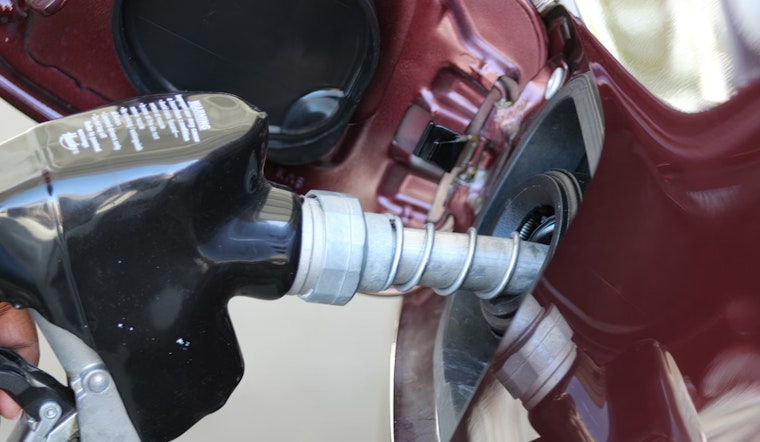
Gas prices in Michigan have seen a notable uptick, with CBS Detroit reporting a 9-cent increase since last week, pushing the average to $3.17 per gallon for regular unleaded fuel. This change represents a 5-cent rise from last month and a 27-cent drop compared to the same time last year.
Despite the hike, costs are still shy of the peak prices experienced in July 2024, when drivers were hit with around $9 more to fill a 15-gallon tank. According to Howard Hughey of AAA, "Michigan drivers are seeing higher prices at the pump, largely due to an increase in demand," as reported by CBS Detroit. In Metro Detroit specifically, the price per gallon clocks in at about $3.15, a slight 3-cent dip compared to last week, and notable 35 cents less than the previous year.
Meanwhile, GasBuddy's own assessment has recorded a 6-cent rise within the last week in Detroit, with averages reaching $3.14 per gallon. "Average gas prices declined in nearly all states over the last week as refineries ramped up output and gasoline supplies surged," Patrick De Haan of GasBuddy conveyed, suggesting a continued—if the present trajectory holds—downward trend through the summer, as noted by the Detroit News.
The national landscape is marginally steadier, with GasBuddy documenting a 2-cent decrease nationwide over the last week, situating the national average at $3.07. AAA places the figure slightly higher, at $3.12. Data from the Energy Information Administration indicated a slip in gasoline demand, alongside an increment in gasoline supply, which means there's more fuel to go around.
In a somewhat related economic context, the political promises made during former President Donald Trump's campaign have come under scrutiny. Despite vows to push gas prices below $2 a gallon, national averages linger above $3, with the Detroit Free Press highlighting a current national figure of $3.13. As per a report by The Detroit Free Press, this level is largely influenced by crude oil prices, now hovering around $65 a barrel. Nevertheless, the OPEC's commitment to increasing production, along with adjustments in U.S. drilling activities, may foreshadow forthcoming shifts in the oil and gas market.





