

























































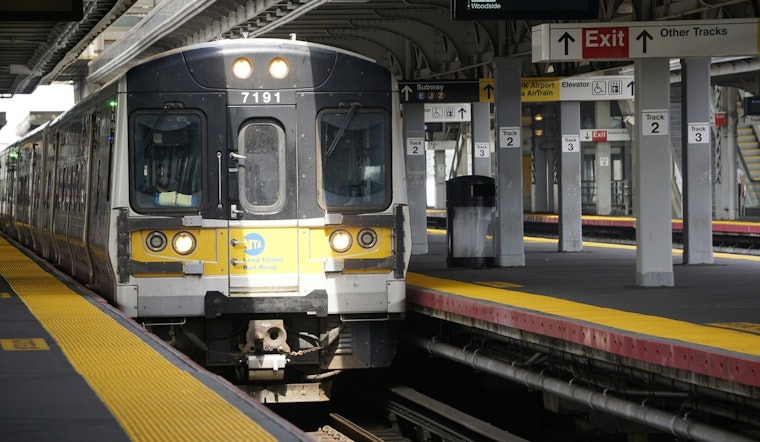
Riders of the A and L lines in New York, rejoice. The Metropolitan Transportation Authority (MTA) is planning an increase of subway service that will ease your commuting woes. According to documents published by Gothamist, the MTA aims to add an additional round trip train on both Lefferts Boulevard and Far Rockaway branches of the A line during midday. Additionally, morning rush hour will see four additional round trip runs on the L line, boosting train frequency from 20 to 22 trains per hour.
The improved capacity on the L line is thanks to upgraded electrical power systems, allowing for more trains on the track. This shift in service, pending MTA board approval, would not only cater to the traditional, but also accommodate late-night revelers, with weekend trips being moved from the mornings to evenings. NYC Transit President Demetrius Crichlow said in a statement obtained by Gothamist, "At a time when subway service is the best it’s been in a dozen years, this makes it even better." The service upgrades are a response to the evolving ridership patterns, still influenced by hybrid and remote work models that emerged since the COVID-19 pandemic.
These service plans tie into the larger financial picture for the MTA, which recently secured a five-year, $68.4 billion capital plan according to a report by The New York Times. The allocation marks the largest in the MTA's history, targeted at revitalizing the city’s mass transit network, and includes buying new trains and buses, replacing antiquated equipment, and making the system more accessible for disabled riders.
However, there are strings attached to these ambitious plans with the MTA counting on $14 billion from the Trump administration, which hangs in the balance over the contentious congestion pricing program. One of the pressing concerns, as noted by Ana Champeny, vice president for research at the Citizens Budget Commission, is whether this federal contribution will come through. Champeny offered to The New York Times that the MTA either has to spend less or revisit existing funding sources should they fall short.
Funding strategies for the transit authority's budget involve increasing the payroll mobility tax on large businesses and seeking $3 billion in savings through cost reductions and bonds. While this planning unfolds, the MTA plans also to tackle the issue of fare evasion, investing $1.1 billion to install modern fare gates designed to limit losses that last year approximated $800 million.



