

























































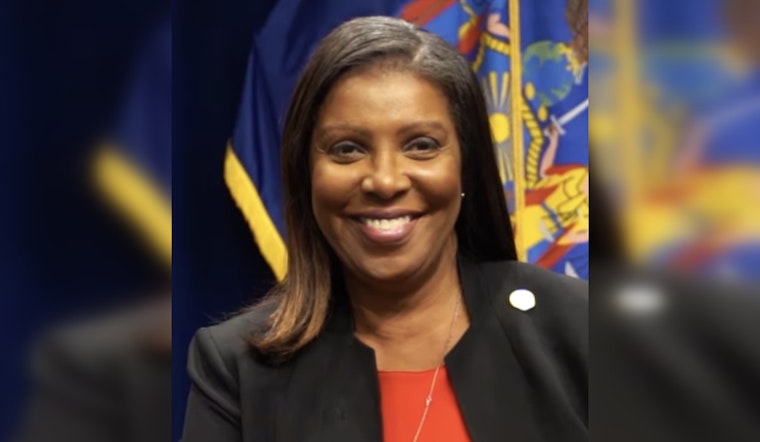
In a coordinated legal effort to safeguard foreign aid, New York Attorney General Letitia James, along with a coalition of 23 attorneys general, has filed an amicus brief with the U.S. Court of Appeals for the District of Columbia in the case Global Health Council v. Trump. The filing challenges the Trump administration’s attempt to block funding for the United States Agency for International Development (USAID) and the State Department. The coalition argues that the president lacks the authority to unilaterally withhold funds appropriated by Congress, a move they contend would undermine legislative control over federal spending and potentially harm states.
Joining Attorney General James in the filing were attorneys general from a diverse array of states, including Arizona and Hawaii to Michigan and Vermont. "Every year, our foreign aid programs bring together America’s small businesses, farmers, and top researchers to help save hundreds of thousands of lives across the globe," Attorney General James stated in the press release. Suspending support for USAID, as initiated by the Trump administration in February, effectively put a stop to nearly all of its programs, and with them, help for thousands of children, families, and public health initiatives worldwide that depend on these vital funds.
The billions of dollars in suspended aid encompassed a lifeline for malnourished children, displaced families, and individuals vulnerable to diseases such as AIDS and malaria. Additionally, Attorney General James and the coalition point to over $550 million in research grants and contracts in states that were halted due to the administration's cuts. Thus, not only are the vulnerable populations overseas affected, but local farmers, small businesses, and universities in New York and beyond suffer the consequences as well.
With strengths in numbers, the attorneys general contend that the U.S. Constitution clearly delineates fiscal control as a power vested in Congress, not the presidency. As the brief filed argues, "The administration does not have the authority to halt funding that Congress appropriated simply because the president disagrees with it," according to the Attorney General's Office. Moreover, the coalition warns that permitting such executive discretion could sow disorder for states, which rely on federal funding for essential services such as Medicaid, infrastructure, education, and law enforcement.
The coalition's resolve is to see the preliminary injunction order, issued by the U.S. District Court for the District of Columbia, upheld, preventing further withholding of USAID funds by the administration.





