

























































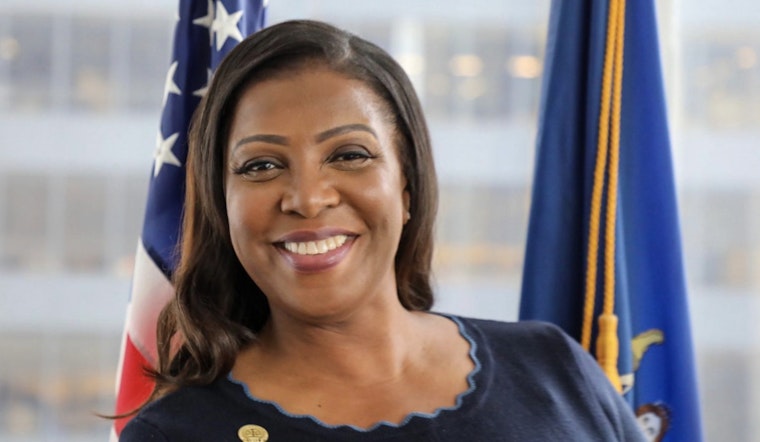
In a significant legal triumph, New York Attorney General Letitia James has secured a victory against the Trump administration over its contentious attempt to slash funding for National Institutes of Health (NIH) research grants. According to a press release from the Attorney General's Office, the proposed cuts had jeopardized vital medical research across a range of projects, including studies on diversity, LGBTQ+ health, and vaccine hesitancy. The U.S. District Court for the District of Massachusetts, under Judge William Young, ruled that the funding cuts were not only illegal but also discriminatory.
Backdrop contributing to this ruling were the actions of the Trump administration that, starting from March, moved to rescind grant funding for scores of research endeavors. The administration justified the withdrawal by claiming the projects did not align with "agency priorities," singling out topics tied to "DEI," "transgender issues," and "vaccine hesitancy." In a decision last week, Judge Young condemned these terminations as "appalling" and a blatant instance of discrimination, asserting he has "never seen government racial discrimination like this," as per the Attorney General's Office.
This court ruling carries a meaningful impact for research initiatives, particularly in New York. Reinstated grants cover essential studies on health concerns like Alzheimer's in Asian and Latino populations, addiction risks in LGBTQ+ youth, and cardiovascular issues within the same community. Notably, a major HIV treatment project in Ghana has also been given a reprieve, and a $3.5 million venture for a health equity researchers' training center in Buffalo is back on track. These reinstated funds exceed $4.5 million in total for the State University of New York (SUNY) system alone, indicating a considerable restoration of medical research operations and potential community health advances.
Attorney General James' legal challenge wasn't a solitary effort. She was joined by attorneys general from fifteen other states, encompassing a vast political geography from Arizona to Wisconsin, highlighting the widespread concern and opposition to these drastic and discriminatory cuts in health research funding. The decision has been touted as a safeguarding of public health, and Legal James commented, "We will not allow this administration to discriminate against vulnerable communities and put politics ahead of people’s lives," reinforcing the victory as a corrective measure against what many saw as a politically motivated attack on vital health research, according to the Attorney General's Office.




