

























































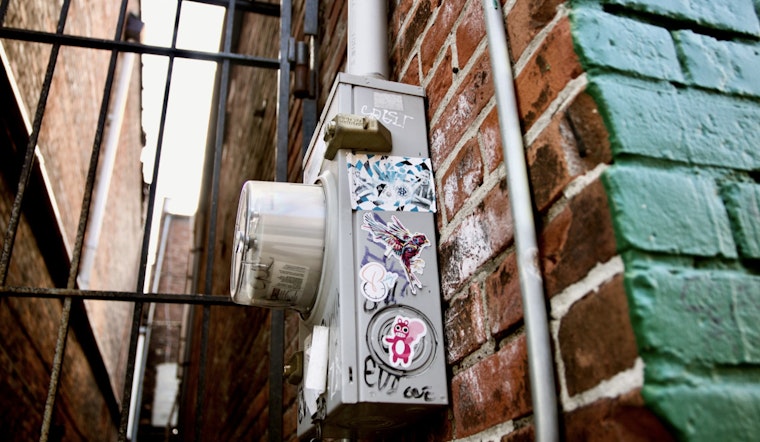
As New York City braces for blistering summer temperatures, a spotlight has been cast upon the growing energy insecurity faced by its residents. In a recent report released by City Comptroller Brad Lander, it has been indicated that escalating heat waves exacerbated by climate change are pushing many New Yorkers to the brink of a utility bill crisis. Lander's report, titled "Record Highs: Tackling Energy Insecurity in the Heat of the Climate Crisis," highlights a dire need for action as the average electricity rates through ConEd have jumped by $31 per month, compounding the financial strain on families already grappling with the high cost of living in the city. As reported by the Comptroller’s Office, 30% of New Yorkers are energy insecure, and the tangible impact of this insecurity is profound—with hundreds succumbing to heat-related deaths each summer.
In addition to the rising utility costs, the Trump administration’s proposed cuts to federal programs designed to alleviate energy expenditures further darken the horizon. The slashing of funds for the Low Income Heating and Energy Assistance Program (LIHEAP) and the ENERGY STAR program stand to leave over a million New York City households struggling to afford basic energy costs. Schumer's office warns of a "summer of swelter" for New Yorkers should these cuts come to fruition, leaving many to navigate the potentially fatal choice between keeping cool or managing other essentials like food and medication. According to Schumer, "Without LIHEAP assistance, many families may be forced to choose between paying for air conditioning and other necessities such as food and medications," as reporyted by Gothamist.
While ConEd seeks to implement double-digit rate hikes for electric and gas customers, a move that has been met with widespread criticism, the heatwaves continue to pose a severe risk to the citizens of New York. Comptroller’s Office disclosed that "11% of New Yorkers do not have air conditioners at home." The divide further stretches as lower-income, Black, and Latino New Yorkers are found to be eight times more likely to have utilities shut off compared to white and affluent residents, underscoring a stark racial and economic disparity in the face of climate adversity.
The urgency is compounded by the looming threat of climate change—one that inexorably raises both temperatures and energy demands. In response, Lander’s report recommends implementing measures to combat these challenges, such as limiting rate hikes, passing the NY HEAT Act, which aims to cap utility bills for lower-income individuals, establishing a Right to Cooling, and expanding public power initiatives. These recommendations are echoed by figures like State Senator Liz Krueger who argued for the passage of the NY HEAT Act "to save New York ratepayers billions of dollars," as reported by the Comptroller’s office.
As city officials and politicians deliberate ways to protect New Yorkers from climbing energy costs and aid in the transition to renewable energy sources, the immediate concern remains. Without access to affordable cooling options, the already precarious existence of many city dwellers stands on an everso more fragile threshold as peak temperatures approach, threatening the basic human need for a safe and livable environment.





